

Courtroom Chaos: A Shoe Flies, Calm Prevails
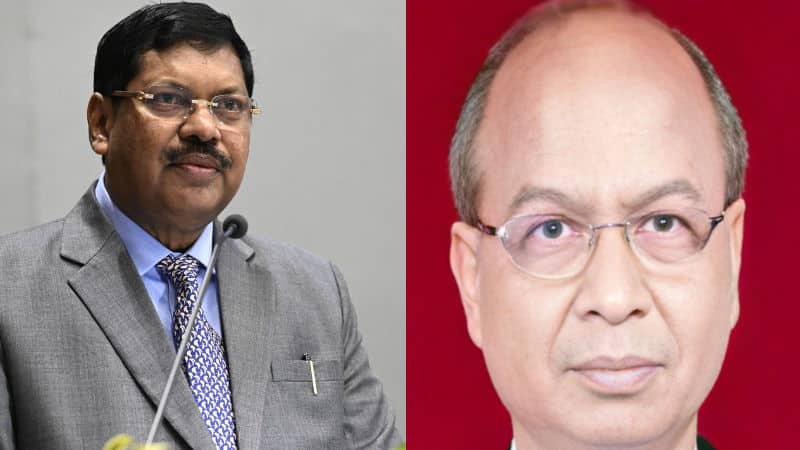
In an unprecedented moment inside the Supreme Court, 71-year-old advocate Rakesh Kishore attempted to throw his shoe at Chief Justice of India (CJI) B.R. Gavai during open court proceedings on October 6.
Eyewitnesses reported that Kishore removed his shoe, shouted slogans like “Sanatan ka apman nahi sahega” (“We will not tolerate the insult of Sanatan Dharma”), and moved toward the bench before being restrained by security. The shoe fell short of its target, and CJI Gavai, maintaining composure, reportedly said, “Don’t get distracted,” as the session continued.
The incident sent shockwaves through India’s legal fraternity, drawing strong reactions from both political leaders and the Bar Council.
Why the Outburst? The Idol Restoration Row
The outburst stemmed from a September 16 Supreme Court hearing over a plea seeking the restoration of a damaged Lord Vishnu idol at the Javari Temple in Khajuraho, Madhya Pradesh.
During that hearing, the bench led by CJI Gavai had reportedly remarked, “Go pray to the deity to do something,” while dismissing the petition on grounds that restoration matters fall under the jurisdiction of the Archaeological Survey of India (ASI).
Kishore, known for his decades-long involvement in temple heritage cases, claimed those remarks “hurt Hindu sentiments” and insulted his faith. Speaking to reporters after being detained, he stated that he had “no regrets” over his act, saying, “The Almighty asked me how I could stay silent when such things were said about Sanatan Dharma.”
He accused sections of the judiciary of “bias” against Hindu cases, pointing to what he called “preferential sensitivity” in cases concerning other faiths. The emotional nature of his protest, however, has reignited debate about the limits of dissent inside courtrooms.
Swift Action by Bar Council of India
The Bar Council of India (BCI) acted swiftly, announcing an immediate suspension of Kishore’s license to practice. In its statement, the BCI called the shoe-throwing attempt “inconsistent with the dignity of the court” and “a disgrace to the noble legal profession.”
Kishore has been barred from appearing before any court, tribunal, or authority until further notice. The BCI has also issued a show-cause notice, demanding an explanation within 15 days.
Meanwhile, Delhi Police detained Kishore for questioning for nearly three hours before releasing him. No formal charges were pressed after the Supreme Court registry declined to file a complaint, citing that no harm was caused.
Political and Public Backlash
he incident triggered bipartisan condemnation. Prime Minister Narendra Modi denounced the attack, calling it “a shameful act that disrespects India’s judicial institutions.”
Congress leader Rahul Gandhi echoed the sentiment, saying, “Attacking judges weakens democracy, not defends faith.”
Across party lines, political figures urged citizens to express disagreement through democratic and lawful means.
Within the legal community, the response was even more forceful. The Bar Council of Maharashtra and Goa termed the act “utterly reprehensible,” while the Nagpur Bar Association called it “an attack on the rule of law.” Advocates in Bengaluru and Delhi staged brief protests in solidarity with the Chief Justice, stating that “violence in court cannot be tolerated under any circumstance.”
Social media, however, told a more divided story. Hashtags like #CJI_Gavai, #RespectTheJudiciary, and #SanatanFaith trended throughout the day. Some users sympathized with Kishore’s religious frustration, while others warned that condoning such behavior could set a dangerous precedent.
CJI Gavai’s Response and Judicial Stance
Justice B.R. Gavai, India’s 52nd Chief Justice since May 2025, has refrained from making any formal statement on the incident. However, those close to the Supreme Court say he privately emphasized that the judiciary “respects all religions equally” and that the court will continue its duties “without fear or favor.”
Legal experts have pointed out that while Kishore’s sentiments may have been genuine, his actions cross into contempt of court territory. Senior advocates have emphasized that “disagreement with judicial remarks must be expressed through petitions and reviews, not aggression.”
Faith, Dissent, and the Fragile Line of Decorum
The incident highlights a broader tension in India — between religious faith and constitutional law. As cases involving temple restoration, heritage, and faith continue to appear before the judiciary, judges often navigate sensitive territory where emotions run high.
Analysts argue that while the judiciary must remain conscious of faith, it cannot allow religious sentiment to dictate judicial process. Acts like Kishore’s, they warn, risk undermining public confidence in both the courts and the democratic system.
Legal scholar Meenakshi Arora commented, “You cannot defend faith by destroying respect for institutions. The judiciary is the protector of rights — including religious ones. It must be criticized, but never attacked.”
The Larger Message
For many, the October 6 shoe-throwing incident serves as a grim reminder of the growing intolerance in public discourse. Whether motivated by religious passion or frustration with perceived insensitivity, such acts threaten the sanctity of institutions that hold democracy together.
As the Bar Council of India pursues disciplinary proceedings, and the court quietly returns to business as usual, the image of a lawyer hurling his shoe in protest will linger — a symbol of the emotional rift between faith and law in modern India.


