

India’s Diplomatic Reset with the Taliban
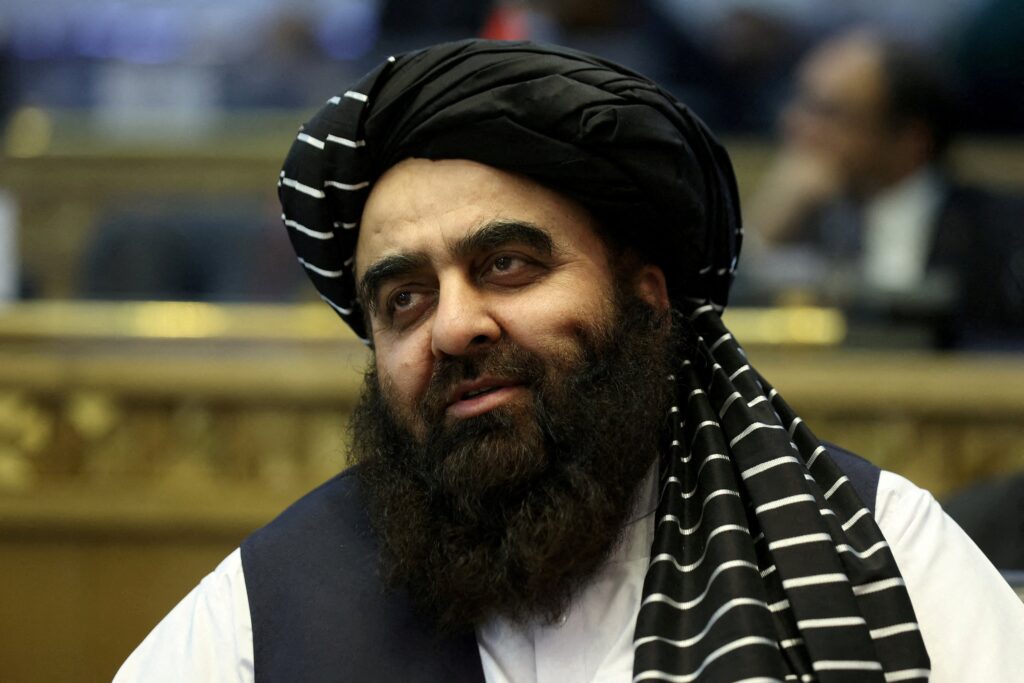
India’s cautious yet deliberate engagement with the Taliban — centred around the Amir Khan Muttaqi visit to India — marks a turning point in New Delhi’s Afghanistan policy. The arrival of Afghanistan’s acting Foreign Minister Amir Khan Muttaqi in New Delhi under a UN travel waiver is the first ministerial-level visit since the Taliban takeover in 2021.
This outreach reflects India’s evolving strategy: balancing humanitarian aid with geopolitical pragmatism. The goal is clear — to secure influence in Kabul, safeguard past investments, and counter Pakistan’s and China’s growing dominance in Afghanistan.
From Isolation to Engagement: India’s Afghan Strategy
India has invested over $3 billion in Afghanistan’s reconstruction — including the Afghan Parliament, Salma Dam, and numerous hospitals and schools. These projects built immense goodwill for India across Afghanistan.
Now, with the Amir Muttaqi visit to India, New Delhi is re-engaging through trade, infrastructure, and security dialogue. This shift from isolation to engagement underscores India’s determination to stay relevant in Afghanistan’s new power structure.
Muttaqi’s Delhi trip follows the Moscow Format talks, signaling that India’s renewed engagement is part of a coordinated regional strategy focused on stability and counterterrorism.
Chabahar Port: India’s Gateway to Afghanistan
The Chabahar Port stands at the center of the Amir Khan Muttaqi India visit. This Iranian port, developed by India, serves as a strategic trade route bypassing Pakistan and linking Afghanistan directly to the Indian Ocean.
During discussions, both sides are expected to explore expanding trade logistics, Afghan exports, and mineral cooperation — particularly lithium and rare-earth elements critical for India’s tech and energy sectors.
For the Taliban, wary of total economic dependence on China, India’s offer of trade and humanitarian support without political conditions presents an appealing balance.
Pakistan’s Strategic Concerns Intensify
Pakistan views the Amir Khan Muttaqi visit to India with growing unease. Closer India–Taliban relations threaten Islamabad’s long-standing influence in Kabul.
India’s use of Chabahar and renewed Afghan engagement could isolate Pakistan from vital trade and transit corridors. Analysts suggest that Pakistan’s military establishment fears losing leverage in Afghanistan just as India is reclaiming strategic space.
The optics of a Taliban foreign minister being received in New Delhi while Islamabad struggles with economic crises only deepen Pakistan’s discomfort.
Security and Counterterrorism: India’s Non-Negotiables
Despite diplomatic outreach, India remains focused on security assurances. New Delhi has sought firm commitments from the Taliban to prevent anti-India terror outfits like Jaish-e-Mohammed and Lashkar-e-Taiba from operating in Afghanistan.
Countering the Islamic State Khorasan Province (ISKP) — a mutual threat — offers potential for limited cooperation. Future engagement will depend on Kabul’s ability to demonstrate genuine counter-terrorism intent and control over militant networks.
PM Modi’s Pragmatic Realignment
For Prime Minister Narendra Modi, the Amir Khan Muttaqi India visit aligns with a broader regional recalibration. India’s strategy blends trade diplomacy, humanitarian assistance, and conditional engagement — without formally recognizing the Taliban regime.
With the U.S. withdrawing, China expanding its Belt and Road footprint, and Russia consolidating influence, India’s re-entry into Afghanistan is a calculated move to balance power in the region.
Calculated Risk, Strategic Reward
The Amir Khan Muttaqi visit to India represents a turning point in South Asian geopolitics. It positions India as a pragmatic power willing to engage with Kabul to protect its security and economic interests.
For PM Modi, this engagement is both a diplomatic test and a strategic opportunity — to rebuild trust, outmaneuver Pakistan, and secure India’s long-term role in Afghanistan’s future.
Whether it becomes a masterstroke or a gamble will depend on how effectively India balances trade, security, and regional diplomacy in the coming months.
With Amir Khan Muttaqi’s visit, India has redrawn the map of regional diplomacy — and the next moves could define South Asia’s future!


