

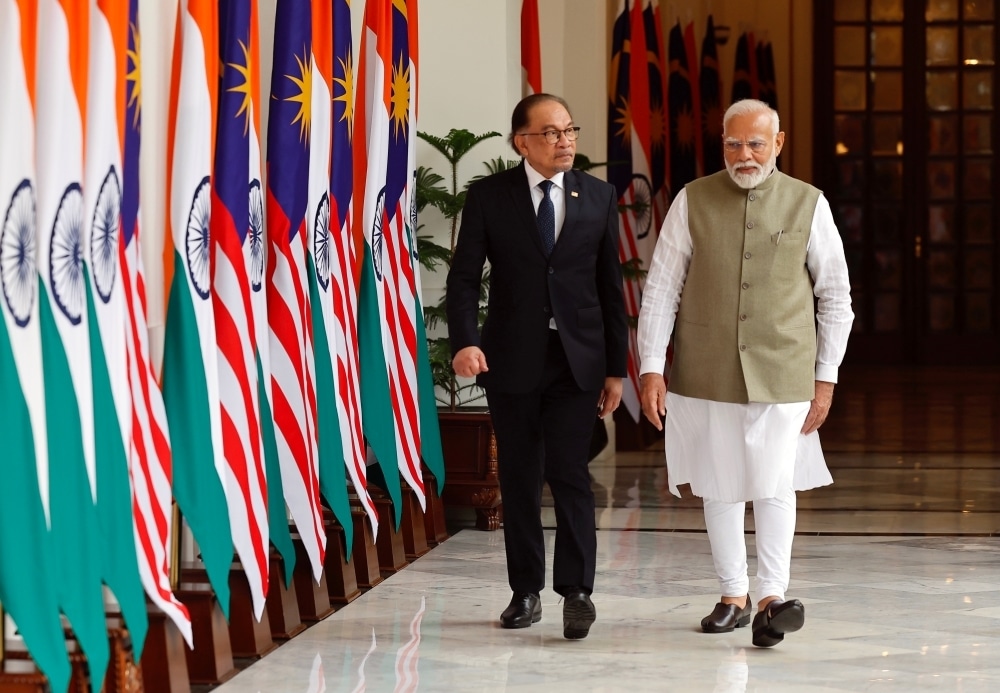
Modi to Skip ASEAN Summit — Prime Minister Narendra Modi’s decision to skip the ASEAN Summit and participate virtually has sparked intense geopolitical discussion. Officially, the reason is the Deepavali festival and scheduling conflicts, but the timing and optics reveal a deeper strategic play. The move subtly signals India’s diplomatic recalibration amid shifting global dynamics, rising trade disputes, and an evolving Indo-Pacific balance, reflecting a carefully calculated foreign policy choice that balances domestic commitments with international expectations while maintaining India’s assertive yet independent global posture.
Domestic Priorities or Political Calculus?
New Delhi’s explanation — that the Prime Minister will observe Diwali and attend virtually — is plausible. However, analysts note that India is entering a politically charged phase with state elections like Bihar around the corner. Maintaining a domestic presence during key festivals reinforces the government’s people-first image while avoiding politically sensitive foreign headlines.
By allowing External Affairs Minister S. Jaishankar to represent India on the ground, Modi ensures continuity without risking domestic political backlash or unplanned diplomatic confrontations.
Avoiding the Modi-Trump Optics
One of the most talked-about consequences of Modi skipping the ASEAN Summit is the missed opportunity for a direct Modi–Trump meeting. With the US President expected to attend, a face-to-face encounter could have created high-visibility optics — either showcasing partnership or exposing friction.
Trade tensions between India and the United States remain unresolved, especially regarding tariffs, digital trade, and energy imports. By choosing to go virtual, India avoids a public stage that could pressure it into rushed commitments or symbolic displays. The absence of an in-person handshake may slow progress in India-US trade talks, but it also preserves India’s negotiating leverage.
ASEAN Engagement: Strategic but Selective
India’s relationship with ASEAN remains strategically vital. From defense dialogues to digital infrastructure, ASEAN-India ties anchor New Delhi’s Indo-Pacific vision. Attending virtually allows Modi to reaffirm India’s commitment while signaling that New Delhi will pursue diplomacy on its own terms.
The decision underlines a “strategic autonomy” approach — engaging multilaterally but staying cautious of great-power rivalries that often play out at such summits. India’s stance positions it as both a partner and an independent player in a region increasingly defined by US-China competition.
Energy Security and the Russia Factor
Behind the scenes, India’s energy diplomacy continues to shape its foreign policy choices. Despite Western criticism, New Delhi remains committed to importing Russian crude oil to ensure affordable energy access. Skipping the summit’s face-to-face diplomacy might also be a subtle message that India will prioritize energy security over external pressure — even from allies.
This pragmatic stance underscores Modi’s vision of a multi-aligned India — one that cooperates globally without compromising core interests. Such decisions reflect India’s confidence in shaping a new world order based on pragmatic, interest-driven diplomacy.
Ministerial Diplomacy and Quiet Negotiations
While Modi participates virtually, senior diplomats, led by Jaishankar, will spearhead bilateral meetings. Expect behind-the-scenes negotiations to continue on trade, defense, and connectivity. India’s current approach emphasizes quiet diplomacy over grand gestures — where results matter more than headlines.
This method has worked for India in forums like the G20 and BRICS, where New Delhi balanced multiple alliances simultaneously. The same playbook now applies to ASEAN — ensuring engagement without entanglement.
The Geopolitical Message
In essence, Modi’s absence is a statement: India remains engaged but cautious. It reflects a mature diplomacy that prioritizes stability, economic self-interest, and domestic resonance over spectacle.
By skipping the ASEAN Summit in person, Modi communicates that India’s global strategy is now firmly interest-centric, not event-driven. The virtual participation ensures continuity, while the optics of restraint send a message of quiet strength.
Strategy Behind the Move
Modi’s decision to skip the ASEAN Summit isn’t merely about scheduling or festival observance — it’s a calculated geopolitical choice. Balancing domestic politics, trade negotiations, and global positioning, India signals that it will steer its foreign policy course independently.
As the Indo-Pacific remains the theater of great-power politics, India’s cautious engagement — virtual yet vigilant — demonstrates- How diplomacy in 2025 has evolved: less about presence, more about precision!


