

India has issued one of its strongest advisories in recent months, urging its citizens to leave Iran by all available commercial means amid escalating campus protests and rising tensions between Tehran and Washington.
In a statement, the Embassy of India in Tehran said:
“All Indian nationals and Persons of Indian Origin in Iran are advised to exercise due caution, avoid areas of protests and demonstrations, and consider leaving Iran by all available means.”
The mission further instructed citizens to remain in contact with embassy officials and closely monitor local developments. It advised nationals to keep passports, visas and identity documents readily accessible in case the security situation deteriorates suddenly.
Emergency helpline numbers and dedicated email contacts were circulated to assist Indians requiring support. The embassy also urged nationals to register their details, warning that internet connectivity could be disrupted during periods of unrest.
The advisory reiterates earlier warnings issued on January 5 and January 14, reflecting sustained concern rather than a one off response.
Thousands Affected
An estimated 9,000 to 10,000 Indian nationals are currently in Iran. Diplomats indicate that roughly 6,000 to 7,000 are students, many enrolled in medical universities in Tehran, Qom, Shiraz and other cities.
In addition to students, the advisory applies to pilgrims visiting Shia religious sites, short term business travellers and professionals.
There have been no confirmed reports of Indian nationals injured in the latest unrest. However, officials said the evolving security environment warrants precautionary measures.
Campus Protests Spread
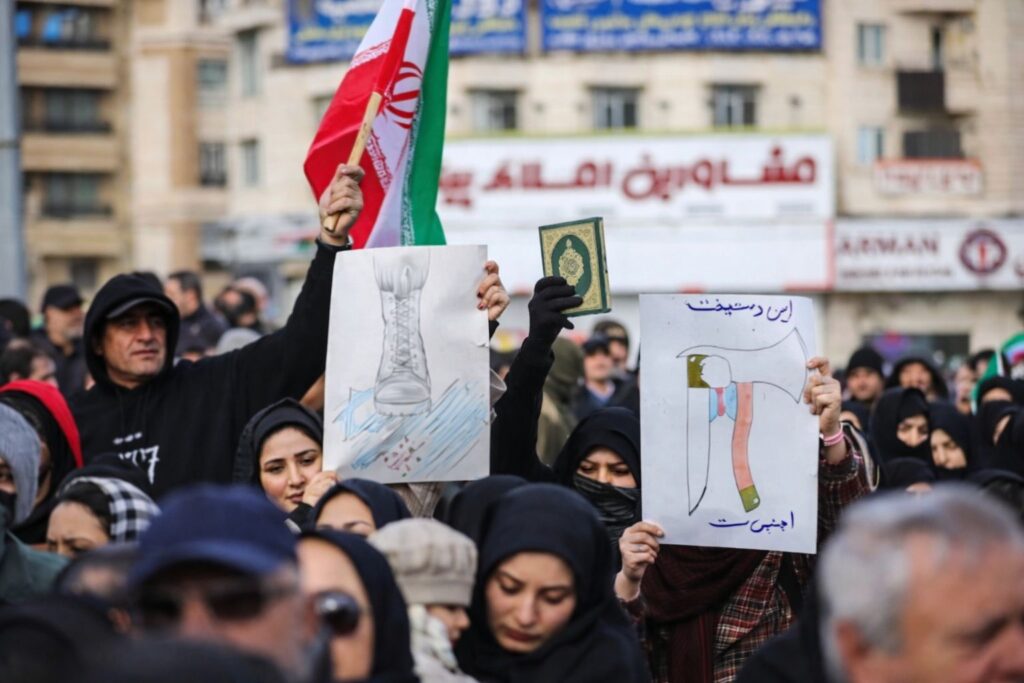
Fresh demonstrations erupted on February 22 at major institutions including the University of Tehran and the Sharif University of Technology. Protests were also reported in Mashhad.
Students gathered to commemorate victims of a January crackdown. Witnesses reported chants directed at Iran’s leadership, including slogans against Supreme Leader Ali Khamenei.
Some demonstrators were seen carrying symbols linked to Iran’s pre 1979 monarchy, while others demanded reforms within the current republican system.
Videos shared online showed crowds assembling near campus entrances as security forces deployed tear gas to disperse them. Local accounts suggested warning shots were fired in certain areas, though there was no immediate official confirmation of casualties.
State affiliated media described the gatherings as unlawful assemblies that disrupted public order.
Security and Communication Risks
Iran has previously imposed internet slowdowns and temporary digital restrictions during protest cycles. The Indian embassy specifically warned nationals that connectivity issues could hamper communication, advising them to maintain updated contact details with the mission.
Officials emphasised that citizens should avoid unnecessary movement and stay away from large gatherings.
In January, earlier protests resulted in reported arrests and injuries, according to activist groups. University campuses have historically served as focal points for dissent in Iran.
US Iran Tensions
The advisory comes amid heightened tensions between Iran and the United States over Tehran’s nuclear programme.
Indirect negotiations have continued, but rhetoric has sharpened. Reports indicate increased US military deployments in the region, including naval assets, raising fears of potential escalation.
Iran’s President Masoud Pezeshkian recently said Iran “will not bow to world pressure,” underscoring Tehran’s defiant stance amid mounting international scrutiny.
American officials have warned they will not allow Iran to advance its nuclear programme beyond agreed thresholds. Tehran maintains its nuclear activities are peaceful.
While India’s advisory does not directly reference Washington, diplomatic sources said regional military activity and geopolitical volatility were factors in the overall risk assessment.
Economic Pressures
The renewed unrest also reflects domestic economic strain. Iran has faced high inflation, currency depreciation and unemployment in recent years, pressures compounded by sanctions and restricted oil revenues.
Students have frequently been at the forefront of protest movements, amplifying broader frustrations over governance and economic conditions.
Analysts say the February 22 protests illustrate persistent discontent, even under tightened security oversight.
Reiterated Guidance
India’s Ministry of External Affairs had earlier advised against non essential travel to Iran. The latest communication strengthens that message by urging departure while commercial flights remain operational.
Officials said the situation remains fluid and could change rapidly. Airports in Iran are functioning normally for now, allowing voluntary exits.
India has conducted large scale evacuation missions in conflict zones in the past, and contingency planning is understood to be in place should circumstances demand more direct intervention.
Families on Alert
Families of Indian students studying in Iran said they are closely monitoring developments. Some reported maintaining regular contact with their children but expressed concern about possible internet blackouts.
Student groups within Iran have advised peers to avoid protest zones and remain indoors during peak demonstration hours. Some institutions reportedly adjusted schedules following the latest unrest.
Diplomatic Balance
India and Iran share longstanding diplomatic ties encompassing trade, energy cooperation and connectivity initiatives. New Delhi has traditionally refrained from public commentary on Iran’s internal politics, focusing instead on consular protection.
The current advisory reflects that calibrated approach. It underscores urgency without political commentary, centring on the safety of Indian nationals.
Uncertain Outlook
The scale and duration of the protests remain unclear. Much will depend on the response of security forces, the level of student participation and developments in US Iran nuclear diplomacy.
For now, India’s message is unequivocal. Leave if possible, avoid demonstrations and remain in close contact with official channels.
As campus unrest converges with regional geopolitical tension, thousands of Indians in Iran face an uncertain environment, prompting New Delhi to act with precaution and urgency.


