

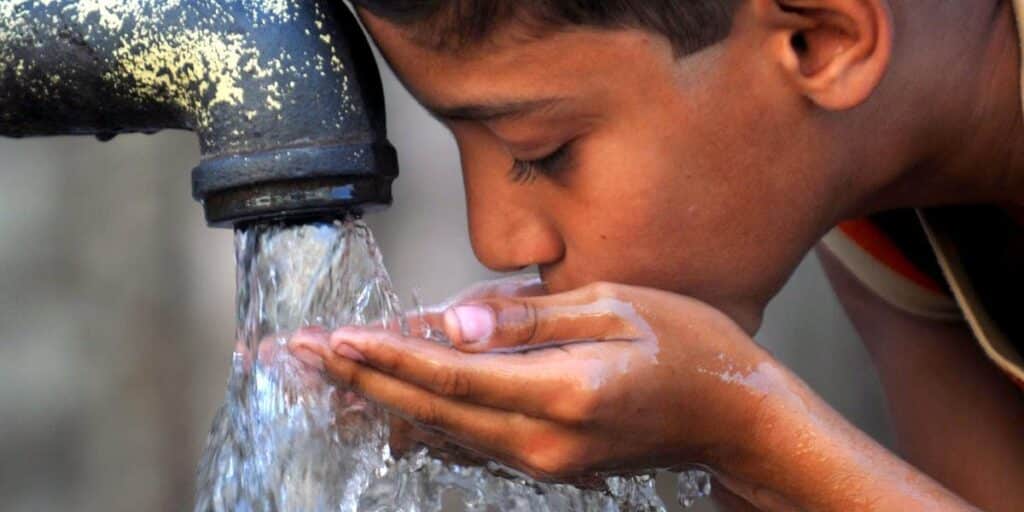
Contaminated water has shattered Indore’s eight-year streak as India’s cleanest city, claiming at least nine lives and sickening more than 1,400 residents in the city’s Bhagirathpura area. The outbreak, one of the most serious urban water contamination incidents in recent years, has exposed deep flaws in municipal infrastructure, oversight, and emergency response.
Health authorities confirmed that sewage seepage into ageing water pipelines caused widespread bacterial contamination, triggering a sudden surge of acute gastrointestinal illnesses across the locality. The crisis escalated rapidly in the final days of December, overwhelming hospitals and forcing state authorities to intervene amid mounting public anger, political fallout, and national scrutiny.
How the Outbreak Unfolded
The first signs of trouble surfaced in mid-December, when residents of Bhagirathpura began noticing yellowish, foul-smelling water flowing from household taps. Complaints were raised with civic officials, but the supply continued uninterrupted. For many families, the issue appeared routine, a temporary disruption rather than a looming danger.
Within days, residents across multiple lanes of the locality began falling ill. Entire households reported sudden vomiting, diarrhoea and fever, with symptoms worsening rapidly. Children and elderly residents were particularly affected. By the last week of December, local clinics and hospitals began receiving an unusually high number of patients from the same area.
On December 31, the situation escalated dramatically as hospitals across Indore were overwhelmed by patients suffering from acute gastrointestinal distress. Emergency wards filled within hours, marking the beginning of what officials would later acknowledge as a full-scale public health emergency.
Nine Deaths Confirmed, Over 1,400 Affected
Authorities have confirmed nine deaths linked directly to the consumption of contaminated water. Victims included infants, senior citizens and daily-wage workers, many of whom succumbed within hours of developing severe symptoms. Health officials conceded that early death figures varied as medical teams worked to establish definitive links between fatalities and waterborne infection.
In total, over 1,400 residents reported illness associated with the outbreak.
At least 270 people were hospitalised, while more than 30 required intensive care due to acute dehydration and related complications. Several hospitals struggled to cope with the sudden influx, leading to the establishment of temporary medical facilities in and around the affected locality.
Doctors treating patients reported a strikingly consistent clinical pattern, reinforcing concerns that the illness stemmed from a common source rather than isolated cases.
Laboratory Findings Reveal the Cause
Water samples collected from multiple points in Bhagirathpura were sent for laboratory analysis. The results confirmed bacterial contamination in a significant number of samples, establishing a direct link between the municipal water supply and the outbreak.
Investigations traced the source to sewage water leaking into drinking water pipelines, caused by structural failures and prolonged neglect. Officials found that a toilet and sewage pit had been constructed dangerously close to a water pipeline, allowing wastewater to seep into the drinking water system.
The situation was compounded by aging pipelines, inadequate protective casing and the absence of regular inspection protocols. Once contamination entered the system, it spread rapidly through the network before being detected.
By the time the water supply was shut down, contaminated water had already been consumed by a large number of residents.
Delay and Lapses Under Scrutiny
As the scale of the tragedy became clear, attention turned to the municipal administration’s handling of the situation. Residents had flagged water quality issues days before the outbreak peaked, yet decisive action was taken only after deaths were reported.
Officials later acknowledged that monitoring mechanisms failed to detect contamination early, and that the response did not match the speed at which illness spread. The delay in halting the water supply and initiating emergency measures has emerged as a central focus of official investigations.
Several municipal officials have since been suspended, and the contract of a sub-engineer terminated, as preliminary accountability measures. A high-level inquiry has been ordered to determine responsibility and identify systemic failures.
Minister Confrontation Sparks Outrage
A BJP leader triggered backlash after snapping at a journalist who questioned accountability for the contaminated water deaths. When asked who was responsible for the loss of lives, the minister dismissed the query as“nonsense.”
The journalist objected to the language, saying, “Mind your language. I don’t fear anyone, no matter who you are.”
The minister reacted sharply, dismissing the questions with abusive remarks. Footage of the exchange spread rapidly across social media and television platforms, triggering widespread criticism and deepening public outrage.
Opposition leaders and media organisations condemned the outburst, viewing it as emblematic of an administration unwilling to accept responsibility. Vijayvargiya later issued an apology, stating that emotional distress over the deaths had influenced his reaction. The damage, however, had already been done.
Chief Minister Steps In
Chief Minister Mohan Yadav took charge of the response following mounting outrage. The state government announced:
- Compensation of ₹2 lakh for families of the deceased
- Free medical treatment for all affected residents
- Suspension of multiple municipal officials
- Termination of a sub-engineer’s contract
- A high-level probe led by senior administrative officers
The Chief Minister described the incident as a “serious lapse” and assured strict accountability.
Human Rights Commission Notice
The National Human Rights Commission issued a notice to the Madhya Pradesh government, seeking a detailed report on the deaths and the circumstances leading to them. The commission observed that access to safe drinking water is a fundamental right, and that preventable contamination resulting in loss of life raises serious human rights concerns.
The notice has placed the Indore administration under national-level scrutiny and increased pressure for a credible and transparent investigation.
Bhagirathpura in Mourning
Residents of Bhagirathpura described the outbreak as sudden and devastating. “We drank the water like we always do… and suddenly everyone in our house fell sick,” said Sunita Sharma, a local mother. Families reported that symptoms spread quickly, leaving little time to seek medical help and overwhelming local clinics.
Ramesh Patel, who lost his elderly father, added, “We had no warning. The water we trusted has taken our loved ones, and we don’t know who will be affected next.” Streets remain quiet as families care for the ill, and fear of further contamination continues to grip the entire neighbourhood.
Cracks Beneath a Celebrated Image
As the probe continues, authorities have sealed affected water lines and arranged alternative water supplies for residents. Hospitals are still treating hundreds of patients, while multiple municipal officials have been suspended pending inquiry.
The crisis has exposed a stark reality: Indore’s title as India’s cleanest city cannot mask the deadly cost of failing to safeguard its most basic public service safe drinking water. The episode has cast a long shadow over the city’s celebrated reputation, highlighting vulnerabilities in infrastructure that were previously hidden beneath years of accolades.


