

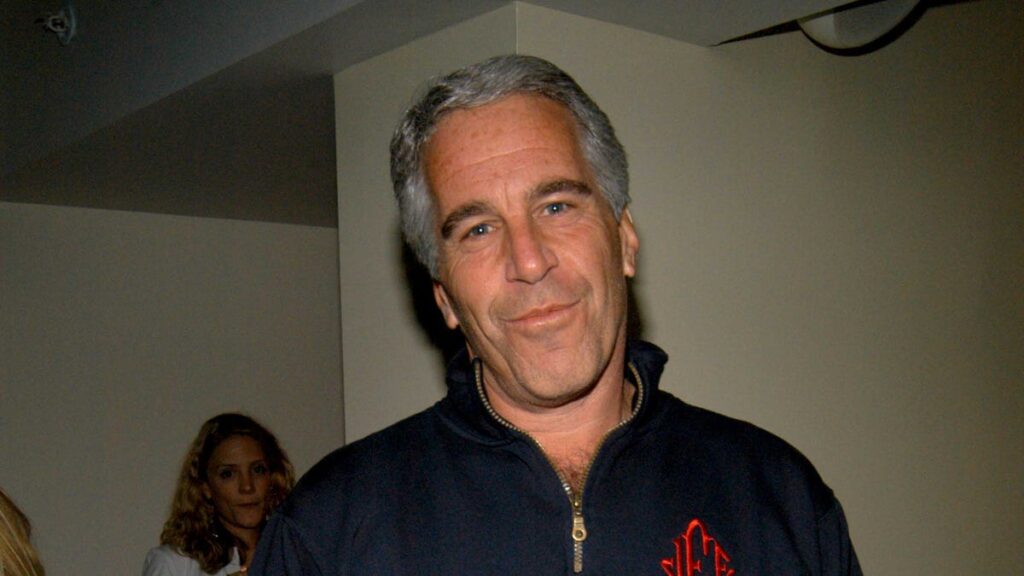
For years, Jeffrey Epstein was a shadowy figure whispered about in legal hallways and conspiracy forums. Powerful elites acknowledged his name with dismissive remarks or awkward distance. Institutions claimed transparency while keeping documents sealed. But this is now changing.
In late 2025, after decades of secrecy, tens of thousands of Epstein-related files are finally being exposed. The release of these materials promises to reveal disturbing details about his abuse network and the powerful individuals who might have crossed his path. What is contained in these files is beginning to reshape public understanding of one of the most controversial abuse scandals of the 21st century.
The Epstein Files are not simply documents. They are a test of accountability, transparency, and the power structures that once protected one of the richest and most notorious predators in history.
The Man Behind the Scandal
Jeffrey Epstein was not your typical financier. He cultivated influential friends and masked his criminal behavior with a veneer of wealth, philanthropy, and access to high society. Despite accumulating vast resources, Epstein never released clear information about how he made his money, a mystery that added to both his mystique and suspicion.
Epstein’s abuse network targeted vulnerable underage girls. For years, survivors reported manipulation, coercion, and exploitation. Yet the criminal justice system repeatedly failed to hold him fully accountable. In 2008, Epstein secured a remarkably lenient plea deal that allowed him to serve a minimal sentence in a local jail with generous work privileges, a deal that outraged victims and civil rights advocates.
After his arrest in 2019 on federal sex trafficking charges, Epstein was found dead in his New York jail cell. Officially ruled a suicide, his death fueled widespread speculation about what he knew and whom he might have implicated. The Epstein Files represent the first major judicial effort to answer those questions.
What Exactly Are the Epstein Files?
The Epstein Files consist of a massive archive of government documents, seized evidence, emails, photographs, flight logs, legal filings, internal memoranda, witness statements, and investigative records compiled over years of local and federal investigations. These records span:
- Photographs from Epstein’s estates
- Flight logs from his private jets
- Internal government communications about prosecutorial decisions
- Emails involving Epstein and his associates
- Identification documents, passports, and visas
- Civil and criminal court filings
- Investigative notes and witness interviews
These materials were not always accessible to the public. Many were sealed under claims of privacy protection, national security, or prosecutorial discretion. But in late 2025, Congress passed the bipartisan Epstein Files Transparency Act, requiring the Justice Department to release nearly all unclassified Epstein-related documents to the public by a specific deadline unless narrowly exempted. This mandate has forced authorities to push more material into the public sphere than ever before.
The files are now a vast, searchable body of evidence that promises to reshape how history remembers Epstein and those around him.
Why Washington Is On Edge
The release of Epstein-related materials has ignited rare and intense political debate in Washington, cutting across party lines and exposing deep disagreements over transparency and accountability. Lawmakers are publicly clashing not only over what the Epstein Files contain, but also over how much of that material the public is entitled to see.
At the center of the dispute is whether the Justice Department has complied fully with the Epstein Files Transparency Act or whether political considerations are shaping the disclosure process. Some Republican lawmakers accuse Democrats of selectively highlighting materials that produce sensational headlines, while Democrats argue that the Justice Department and the White House are withholding or heavily redacting key documents that could clarify institutional failures.
The standoff reflects more than routine partisan conflict. The Epstein Files threaten to reveal systemic breakdowns in law enforcement oversight and prosecutorial decision-making that allowed Epstein to avoid accountability for years. More troubling for Washington insiders is the possibility that influential individuals may have benefited from delayed investigations, negotiated immunity, or institutional reluctance to pursue the case aggressively.
This broader atmosphere of mistrust set the stage for heightened scrutiny when House Republican leaders abruptly canceled scheduled votes and advanced the holiday recess just one day before the Justice Department’s disclosure deadline.
New Photos Ignite Outrage
In the days leading up to the deadline, House Democrats on the Oversight Committee released a fresh batch of photos from the confiscated Epstein estate part of an enormous archive of roughly 95,000 images received under subpoena. These images represent only a fraction of the forthcoming material, yet they have already reignited public outrage.

The latest set includes:
- Photographs showing a person’s body marked with quotes from Lolita, the controversial novel about a middle-aged man’s obsession with a 12-year-old unsettling given Epstein’s criminal history.
- Multiple female passports and foreign identification cards, redacted to protect privacy, suggesting international mobility.
- Screenshots of purported text messages discussing the cost and sourcing of girls, including references to an 18-year-old from Russia.
- Images of billionaire philanthropist Bill Gates with an unidentified woman whose face is redacted and Epstein with linguist Noam Chomsky aboard a plane.
- Previously released photos show Epstein with former Presidents, including Donald Trump and Bill Clinton, as well as figures like former Prince Andrew and other well-known public personalities.
Officials have been careful to emphasize that appearing in a photo does not equate to criminal activity, and many of the individuals depicted have explained that their presence in Epstein’s world was limited or purely social in nature.
Nonetheless, the public release of these images has generated a flurry of commentary, conspiracy theories, and demands for swift transparency from the Justice Department. Critics allege that these snapshots provide only partial context, leaving crucial questions unanswered about relationships, dates, intentions, and involvement.
Epstein’s Island: The Dark Heart of the Case
Little Saint James, Epstein’s private island in the Caribbean, has become a central symbol in the broader narrative. Described by survivors as an isolated enclave where abuse occurred with impunity, the island may hold clues about Epstein’s methods and his circle of associates.
Video and photographs of the estate’s interior and exterior show opulent surroundings that contrast sharply with the stories of terror recounted by victims. Videos leaked from investigations captured bedrooms, bathrooms, and other interior scenes, offering a stark visual contrast to public depictions of Epstein’s world.
The Epstein Files are expected to include chronological records of visits, travel logs, and potentially additional witness statements that could shed light on who went to the island and why.
Ghislaine Maxwell’s Role and Recent Legal Moves
Epstein’s longtime associate, Ghislaine Maxwell, was convicted in 2021 for her central role in recruiting, grooming, and trafficking underage girls for Epstein. Her conviction confirmed that Epstein’s crimes were not the product of a lone individual.
Yet Maxwell’s story did not end with her sentence. In late 2025, she filed a court motion seeking to overturn her conviction, arguing that newly released materials undermine the fairness of her trial. While the motion’s substantive impact remains to be seen, it adds another layer of legal intrigue to the developing saga.
Maxwell’s proximity to Epstein and her management of key operational details make her one of the most significant figures in understanding the full scope of the network.
Virginia Giuffre’s Final Testimony
No voice has influenced the public understanding of the Epstein scandal more than survivor Virginia Giuffre. Recruited as a teenager, Giuffre became one of Epstein’s most vocal accusers, relentlessly pushing for accountability.
Before her death in 2025, Giuffre completed a memoir titled Nobody’s Girl, a deeply personal account that chronicles years of exploitation, manipulation, and trauma. Her narrative not only detailed the mechanics of recruitment and control but also highlighted the emotional and psychological cost of surviving such a network.
Giuffre’s death transformed her memoir into a powerful artifact that has shaped public interest in the Epstein Files. Her testimony has cast a human face on the sprawling documentary trail and underscored why full disclosure matters so deeply to survivors and their advocates.
Global Fallout
The Epstein Files are not merely an American story. Epstein’s activities and connections crossed international borders. The discovery of passports and visas from countries including Russia, Ukraine, and others suggests a network of global mobility that demands further scrutiny.
As the material continues to surface, experts anticipate:
- Renewed civil litigation in the U.S. and abroad
- Investigations into financial institutions linked to Epstein
- Further congressional hearings and oversight actions
- Increased pressure on law enforcement agencies to explain past decisions
These files may not immediately lead to new criminal charges, but they have the potential to force public institutions, powerful individuals, and even governments to address uncomfortable truths about influence, protection, and accountability.
The Reckoning Continues
The Epstein Files represent far more than a cache of documents. They symbolize the struggle between secrecy and transparency, privilege and accountability, and exploitation and justice. As more material becomes public, the world watches closely.
What was once hidden may finally be exposed. What was once protected may finally be questioned. The Epstein Files have ensured that the story of Jeffrey Epstein and those around him will not fade into silence.
And for survivors, for lawmakers, and for a global audience, the real revelation may be that the truth can no longer be buried.


