

The conflict between Israel and Iran is increasingly being shaped by strikes on industrial infrastructure rather than conventional battlefield engagements. In recent days, Israeli attacks have focused on steel production facilities and a major bridge near Tehran, indicating a shift toward disrupting Iran’s ability to produce and move critical resources.
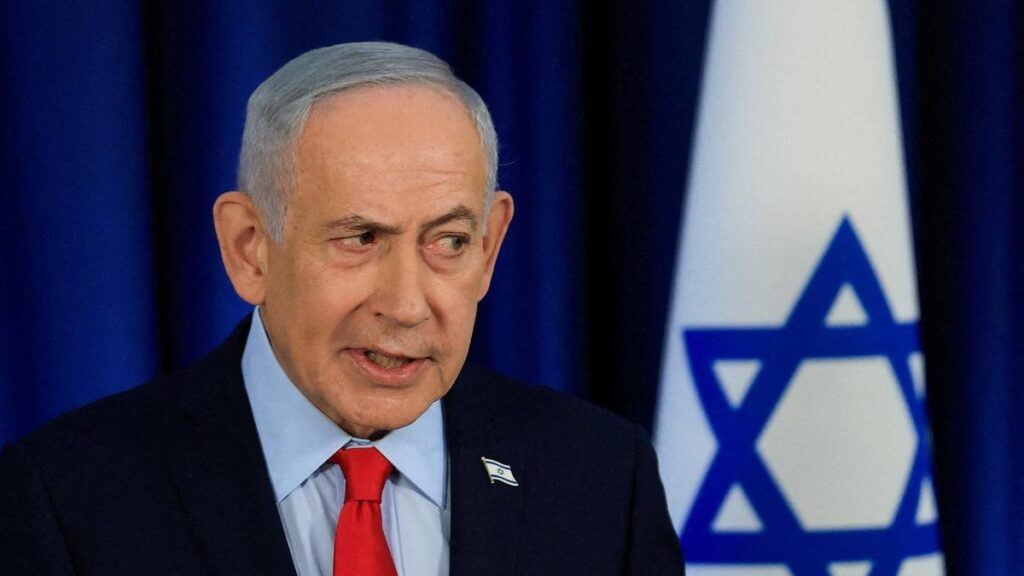
Israeli Prime Minister Benjamin Netanyahu said the campaign had caused extensive damage to Iran’s industrial base. The targeting of steel plants, combined with attacks on transport infrastructure, reflects a broader operational approach aimed at weakening long-term capacity rather than achieving immediate territorial gains.
Industrial Core Hit
Recent strikes have concentrated on facilities linked to Iran’s steel sector, one of the country’s most significant industrial pillars. Steel production in Iran supports a wide range of activities, including construction, heavy manufacturing and components tied to defence-related supply chains. Disruptions to this sector can therefore have wide-ranging effects across the economy.
In a video statement, Netanyahu outlined the scope of the campaign, saying, “Together with our American friends, we continue to crush the terror regime in Iran. We are eliminating commanders, bombing bridges, bombing infrastructures.” He added that the strikes were designed to limit Iran’s operational capacity over time, stating, “This is a tremendous achievement that deprives the Revolutionary Guards of both financial resources and the ability to produce many weapons.”
Multiple facilities are reported to have been damaged or forced offline. While the precise scale of destruction remains unclear, even temporary shutdowns across major plants can reduce output significantly. Industrial operations depend on continuous supply chains, energy input and transport access, meaning that disruption in one area can quickly affect others.
70% Steel Claim
Netanyahu has said that around 70% of Iran’s steel production capacity has been destroyed. The figure has become central to Israel’s assessment of the campaign’s impact, though it has not been independently verified.
Industrial capacity is typically spread across several locations, with varying levels of resilience and redundancy built into the system. Damage may include physical destruction, power supply interruption or logistical constraints that prevent normal operations. In such conditions, distinguishing between permanent loss and temporary disruption is difficult.
Iranian officials have rejected the claim, maintaining that the country’s industrial base remains functional. One official statement said, “Our industrial capabilities remain intact, and any damage will be repaired swiftly.” The response reflects an effort to signal continuity and reassure both domestic and international audiences that production can resume.
The gap between the two positions highlights the challenge of assessing industrial damage during active conflict. Both sides are presenting figures that support their strategic narratives, while independent confirmation remains limited.
Bridge Strike
Alongside industrial sites, transport infrastructure has been targeted in an apparent effort to disrupt logistics networks. A major bridge near Tehran was struck in what Israeli and US officials described as a move to interrupt supply routes used for moving materials and equipment.
The bridge is considered a key link connecting industrial zones with distribution corridors. Its disruption is likely to slow the movement of goods and complicate coordination between production and operational areas. In modern conflicts, such routes are often treated as part of the broader system that sustains military and economic activity.
The situation drew particular attention after reports of a second strike at the same location. Iranian authorities condemned the incident, stating, “Targeting rescue workers is a crime and exposes the true nature of this aggression.” The allegation has raised questions about the conduct of strikes and the risks faced by emergency responders operating in affected areas.
From Washington, the broader targeting approach has been defended. US President Donald Trump said, “We did what had to be done. These sites are part of their operational network.” The statement reflects a position that infrastructure linked to logistics can be considered a legitimate target within the framework of military operations.
Strategy Behind Strikes
The focus on steel plants and transport routes suggests a coordinated strategy aimed at reducing Iran’s capacity over time. Rather than concentrating solely on immediate military outcomes, the strikes appear designed to affect production, movement and supply simultaneously.
Steel is a foundational material used in construction, machinery and infrastructure. Its availability influences a wide range of sectors, making it a strategic target in a conflict where long-term sustainability is a factor. By disrupting production at source and limiting transport capacity, the overall system becomes less efficient.
This approach reflects a broader pattern in modern warfare, where industrial and logistical systems are increasingly integrated into operational planning. Infrastructure such as power networks, transport corridors and manufacturing sites can play a critical role in sustaining activity, making them central to targeting decisions.
At the same time, such strikes can have wider economic effects. Reduced industrial output can affect employment, supply chains and trade, extending the impact beyond immediate operational considerations. The balance between military objectives and economic consequences remains a key feature of this phase of the conflict.
Wider Developments
The strikes on industrial and transport infrastructure are taking place within a broader escalation involving United States and regional actors. Tensions remain high across key areas, particularly around strategic routes such as the Strait of Hormuz, where concerns about supply disruption continue to affect global markets.
Iranian officials have indicated that economic pressure could lead to wider consequences, warning that disruption may not remain confined to domestic infrastructure. The statement reflects an ongoing pattern in which economic and logistical measures are being used alongside military actions.
International responses have focused on preventing further escalation and maintaining stability in critical supply routes. However, the situation remains fluid, with developments on the ground continuing to shape the broader trajectory of the conflict.


