

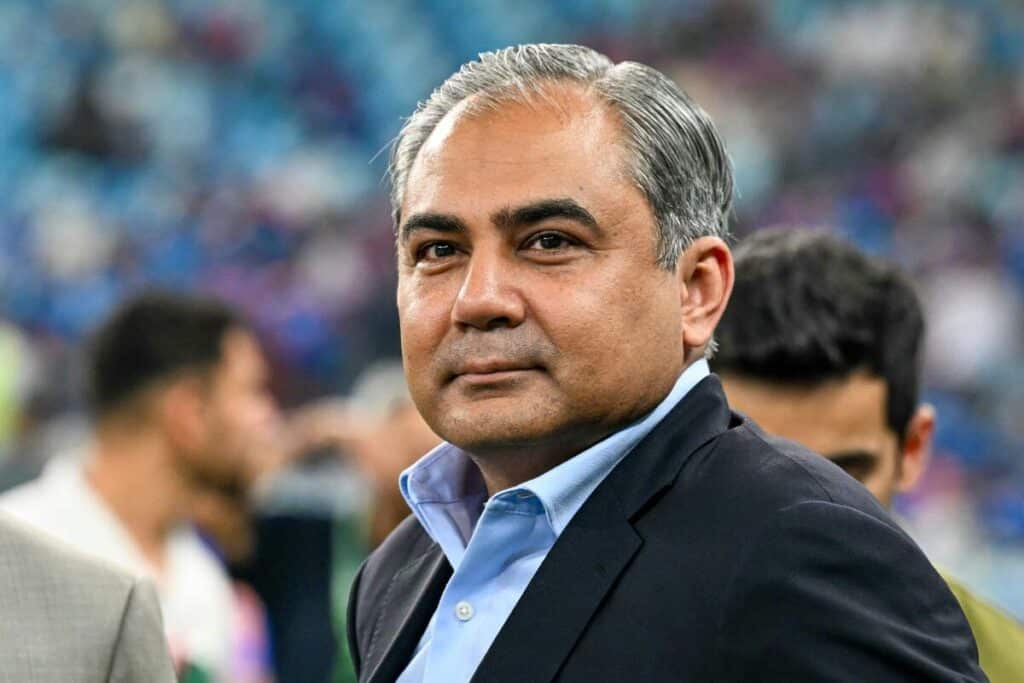
India vs Pakistan Controversy: Trophy Denial in Dubai
The Asia Cup final in Dubai turned dramatic when Team India refused to accept the winners trophy from Asian Cricket Council president and PCB chairman Mohsin Naqvi. Presentation proceedings were delayed and eventually scrapped after Indian players declined the customary handover. Officials cited Naqvi’s political stance as the reason for their protest. The incident sparked intense media coverage, fan debates, and discussions about the intersection of politics and sport. The BCCI confirmed it will file a “very strong protest” with cricket authorities to ensure future ceremonies remain neutral and apolitical.
Who is Mohsin Naqvi ?
Mohsin Naqvi is a Pakistani politician and businessman who rose rapidly in politics, serving as caretaker Chief Minister of Punjab before becoming Interior Minister and later chairman of the Pakistan Cricket Board. Despite having little cricketing background, he was handed the powerful role of shaping Pakistan’s cricket affairs. His deep ties to political circles and rapid rise in both politics and cricket have made him a highly polarising figure.
Mohsin Naqvi Family Background
Naqvi comes from a family with significant business interests. His name appeared in the 2024 “Dubai Leaks” which revealed property holdings of Pakistan’s elite. Naqvi defended the revelations, claiming his family’s overseas assets were legally declared and taxes were paid. However, critics argued the leaks raised serious transparency questions and added to his controversial image.
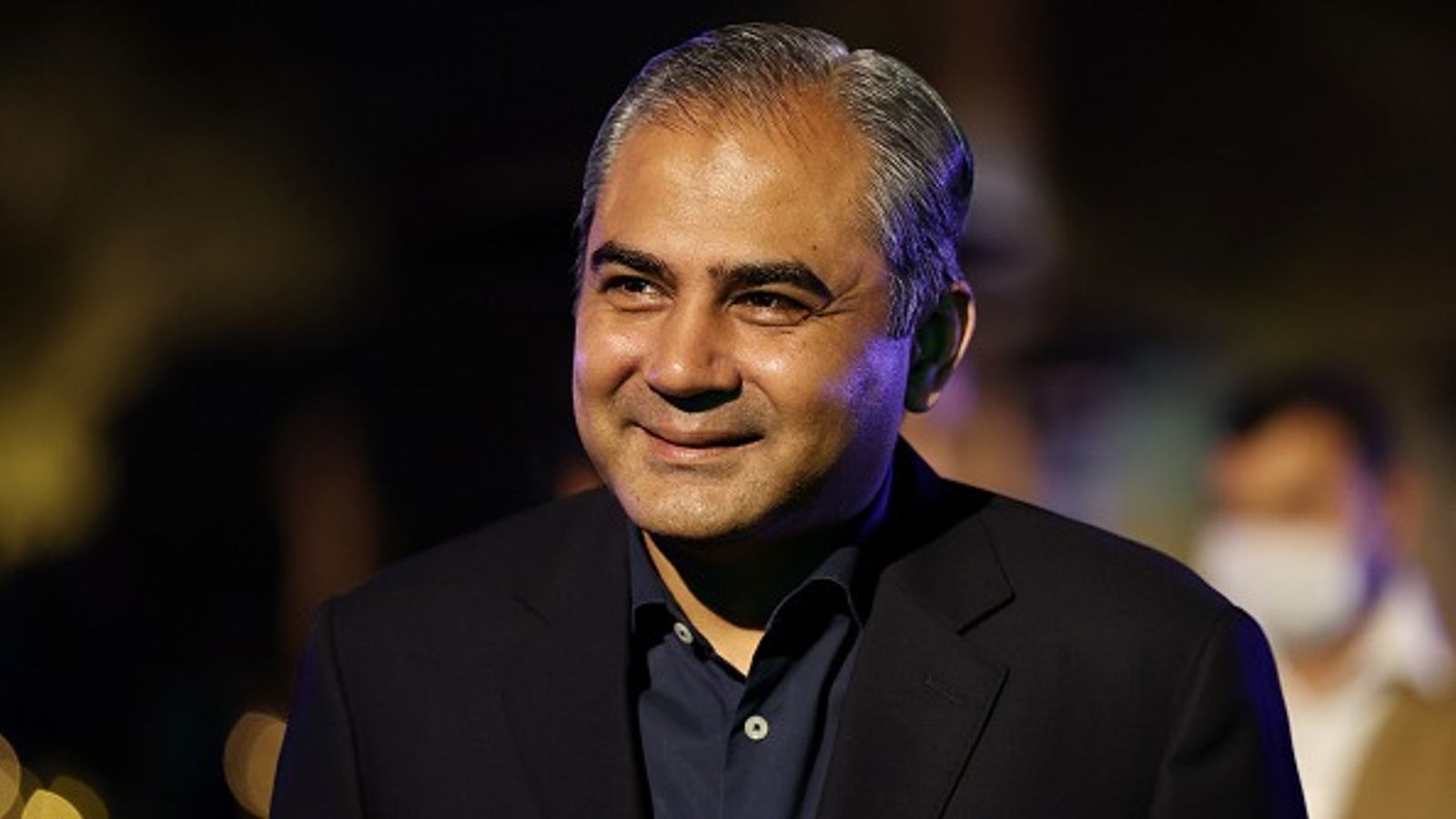
Dubai Leaks and Scandals
The Dubai Leaks exposed vast overseas holdings of political figures, and Naqvi’s inclusion stirred further debate. While he maintained everything was above board, the disclosures cast a shadow over his credibility. These revelations resurfaced during the Asia Cup row, with critics saying his baggage undermines his ability to represent cricket at a neutral and international stage.
Pak Coach Jason Gillespie Slams Naqvi
Earlier this year, former Pakistan coach Jason Gillespie publicly criticised Mohsin Naqvi for skipping a vital team-building camp called the “Connection Camp.” Gillespie said Naqvi’s absence reflected poorly on leadership and disrupted team cohesion. Critics argued that such detachment from player engagement undermines morale and raises questions about administrative priorities. This incident, combined with ongoing controversies, has fueled debate over Naqvi’s suitability for high-profile cricket roles.
Election Rigging Allegations
Naqvi’s political career has also been clouded by accusations of election rigging during the 2024 polls. Opposition parties accused him and the ruling establishment of manipulating results. Although Naqvi and his allies denied any wrongdoing, the allegations became part of a broader narrative about Pakistan’s fragile democracy. His political baggage has now spilled into cricket, with many questioning why a figure tied to election controversies should preside over regional cricket.
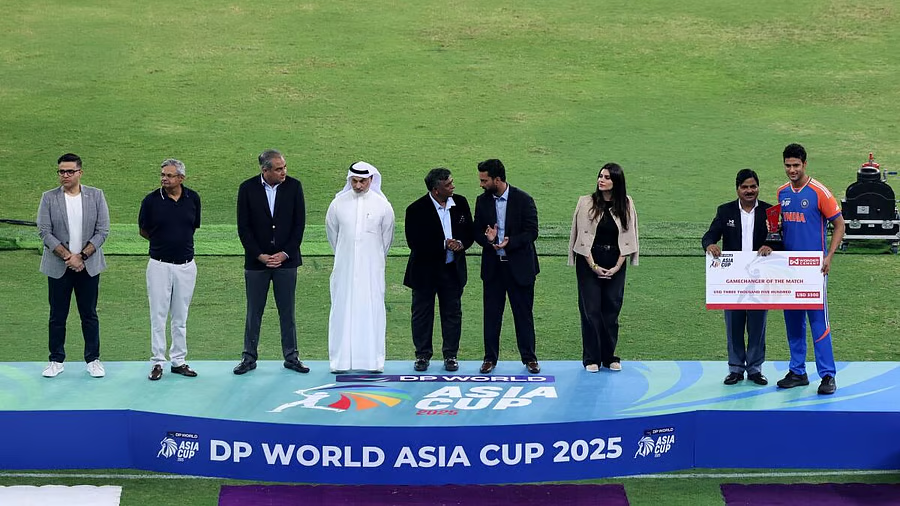
Mohsin Naqvi: Impact on Cricket Diplomacy
Mohsin Naqvi’s presence and controversies at the Asia Cup final have raised concerns about cricket diplomacy between India and Pakistan. Experts say such incidents could affect future bilateral series, fan relations, and regional cricket events. Neutral governance and political detachment are increasingly seen as essential for smooth international tournaments.
BCCI’s Protest
The BCCI has made it clear it will launch a strong protest with the Asian Cricket Council and the ICC. Officials argue that trophy ceremonies must remain apolitical and free from figures who bring political baggage. While cricket fans celebrated India’s victory, the post-match spectacle overshadowed the sporting achievement and fueled an India vs Pakistan controversy that may have long-term consequences for cricket governance.
The Asia Cup final was supposed to be about cricketing excellence, but it ended up exposing deep fissures between politics and sport. Whether Mohsin Naqvi’s role in cricket continues smoothly or faces strong opposition will depend on how international bodies handle India’s protest and the growing controversies surrounding his name.


