

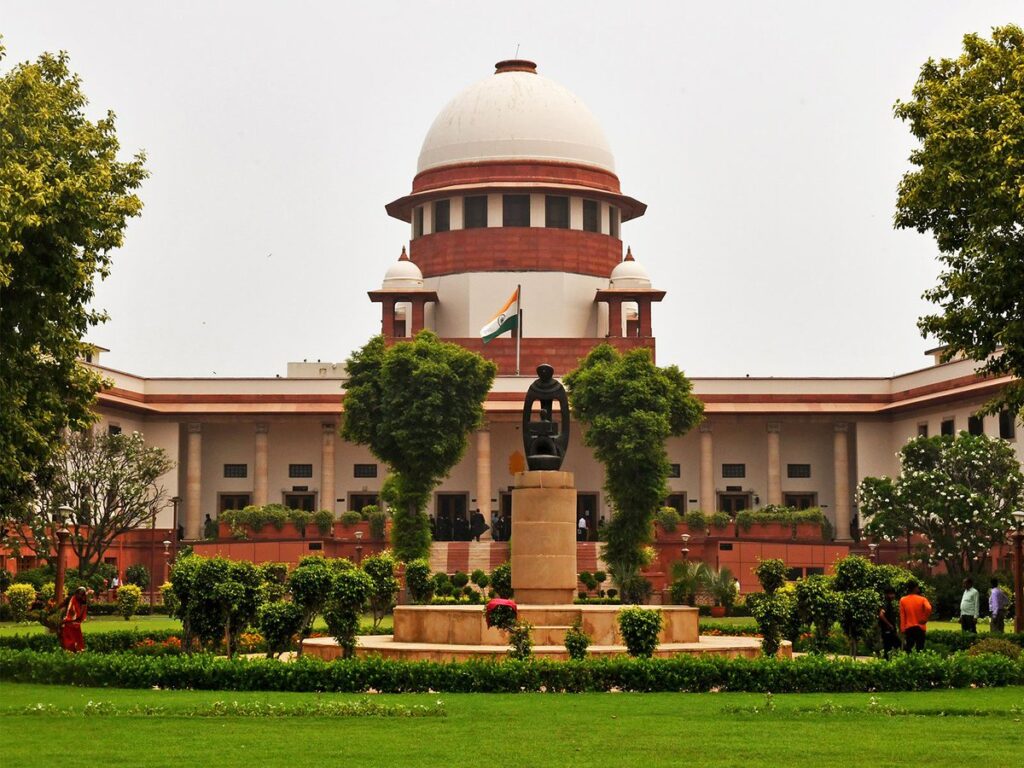
Nithari Case, in a landmark judgment delivered by the Supreme Court of India on November 11, 2025, reached its final chapter as the court acquitted Surendra Koli in the last remaining trial connected to the 2006 serial killings. The three-judge bench led by Chief Justice B.R. Gavai, along with Justices S.C. Sharma and P.S. Narasimha, issued a strong indictment of the investigation and prosecution, criticizing the Central Bureau of Investigation (CBI) for procedural lapses, reliance on a coerced confession, and lack of credible forensic evidence.
The bench observed that the knives and an axe shown as murder weapons were exhibited without proof of blood, tissue, or hair consistent with the crimes. It noted the absence of expert testimony or a proven chain of custody and questioned how a domestic aide with no medical training could perform the precise dismemberment alleged by investigators.
The court further found that police and locals already knew about bones and articles lying in the open area before Koli’s supposed discovery, nullifying the claim that the recovery was made at his instance. “These features negate the essential element of discovery by the accused and reduce the exercise to a seizure from an already known place,” the bench said.
Addressing procedural violations, the bench found that Koli’s statement under Section 164 of the Code of Criminal Procedure (CrPC) was recorded after nearly 60 days of uninterrupted police custody, without proper legal assistance. The magistrate failed to confirm that the confession was voluntary, while the investigating officer’s proximity to the process compromised its credibility.
Chief Justice B.R. Gavai stated, “When investigation replaces truth with convenience, justice becomes the first casualty.” The bench noted that these same flaws had led to acquittals in twelve earlier cases and could not justify conviction in the last remaining one. It ruled that the state failed to prove guilt beyond reasonable doubt, emphasizing that “convictions cannot be sustained to satisfy public outrage when the foundation of proof is so fatally defective.”
Advocate Yug Mohit Chaudhry, who represented Koli, welcomed the ruling, calling it “a moment of overdue justice.” He said, “In this case, Surendra Koli was given a death sentence. He has been serving that sentence for nineteen years. He was completely innocent. He appeared before the court many times. Many courts held him guilty and upheld the death sentence. Today, the Supreme Court has accepted its mistake and acquitted him in the curative petition.”
Inside the Nithari Case
The Nithari Case first came to light in December 2006, when residents of Nithari village in Noida’s Sector 31 discovered human skulls and skeletal remains near House D-5, owned by businessman Moninder Singh Pandher. His domestic worker, Surendra Koli, was arrested and accused of luring children and women from nearby slums, murdering them, and disposing of their remains in the open drain behind the house.
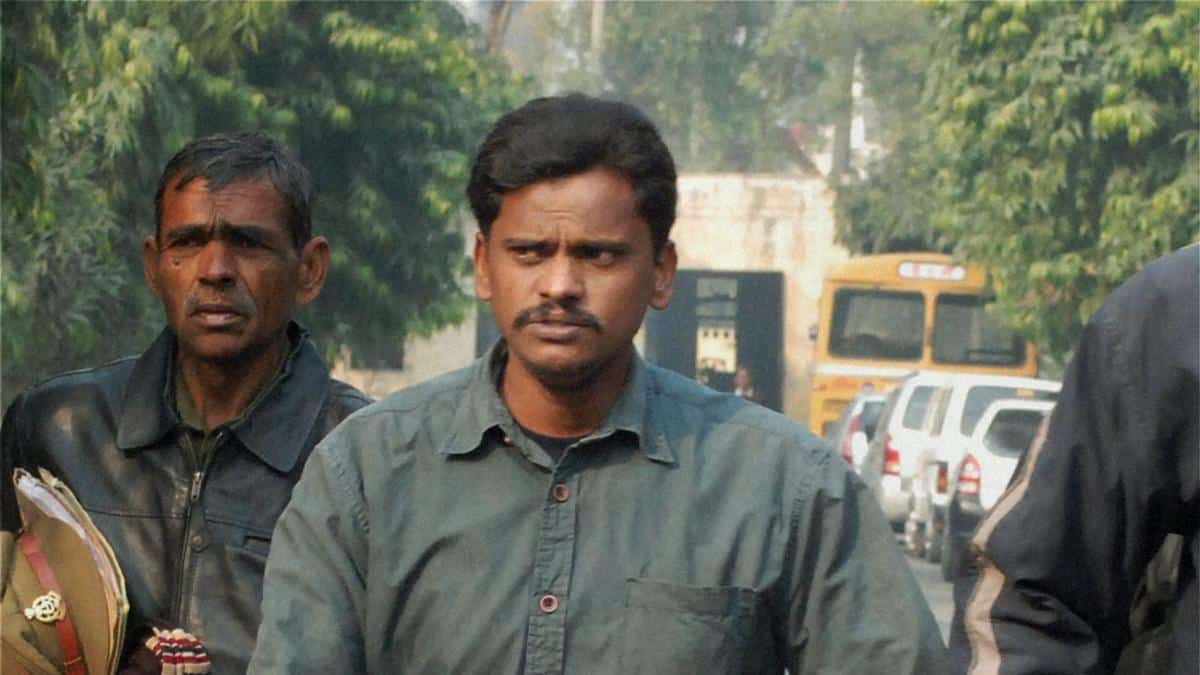
Investigators alleged elements of sexual violence and even cannibalism, but no forensic confirmation ever supported these claims. The case quickly drew national outrage, especially after it was revealed that local police had ignored numerous missing-child complaints from poor families.
The Central Bureau of Investigation took over in 2007, filing multiple charge sheets. Between 2009 and 2012, lower courts convicted both Koli and Pandher and sentenced them to death. However, repeated appeals exposed major flaws missing evidence, contradictory witness accounts, and questionable forensic analysis.
In October 2023, the Allahabad High Court acquitted Pandher, calling the probe “deeply flawed and unreliable.” With the Supreme Court’s 2025 verdict, both men are now legally exonerated.
Aftermath and Implications
The Supreme Court verdict has reignited debate on policing standards, forensic accuracy, and the rights of the poor in India’s justice system. Legal scholars see the judgment as a landmark in judicial accountability, underscoring that due process and verifiable evidence must guide convictions, even in cases that provoke national outrage.
For the families of the victims, however, the acquittal brings anguish and disbelief. Many in Nithari village say they have lost faith in the system. “Our children are gone, and now even the accused are free,” said a parent outside the court, echoing the collective despair of the community.
Nearly two decades after the discovery of the remains, the Nithari Case continues to haunt India’s conscience. The Supreme Court’s verdict may have closed the file, but it leaves a stark question behind — how did one of India’s most chilling tragedies end with no accountability at all?


