

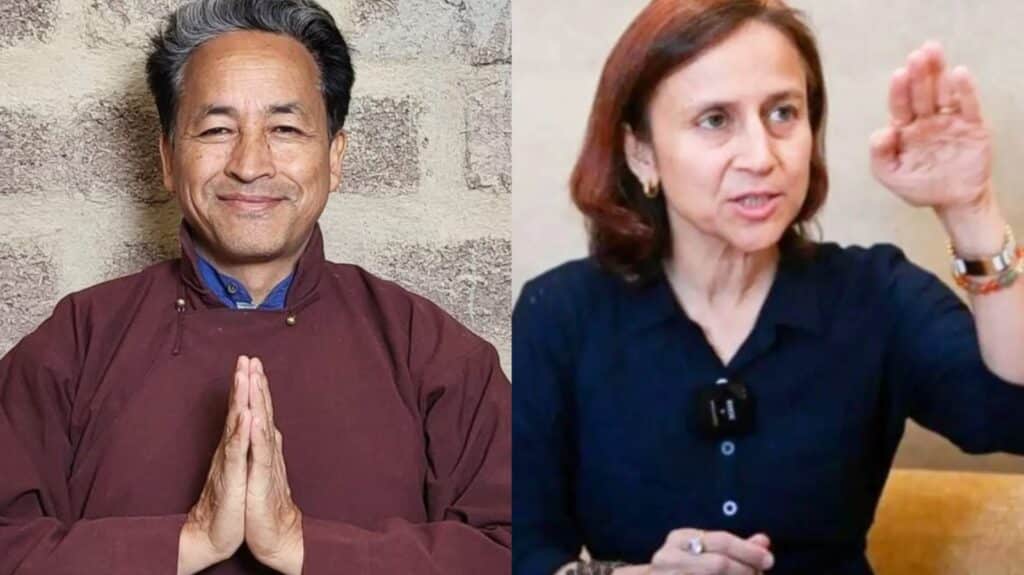
In a dramatic legal development, Gitanjali J. Angmo, wife of renowned Ladakh-based climate activist and education reformer Sonam Wangchuk, has moved the Supreme Court with a habeas corpus petition, challenging his detention under the National Security Act (NSA) and demanding his immediate release. She has also voiced deep concern over the lack of transparency, highlighting that she has received no updates regarding her husband’s health, well-being, or the official grounds for his detention. This urgent plea has intensified public scrutiny on the government’s decision and sparked a wider debate over dissent, civil liberties, and democratic accountability in Ladakh and beyond.
Detention, NSA invocation, and petition details
Wangchuk was arrested on September 26, 2025, amid violent protests in Leh, Ladakh, which left four dead and many injured. The unrest coincided with demands for statehood and inclusion of Ladakh under the Sixth Schedule of the Indian Constitution. Authorities allege that Wangchuk’s speeches and actions incited the protests; in response, he was booked under the NSA and lodged in Jodhpur jail (Rajasthan).
Angmo’s petition, filed under Article 32 of the Constitution, demands immediate production of Wangchuk before the Supreme Court, release from custody, and quashing of the NSA order. She also contends that procedural safeguards under the NSA have been violated — she claims she has not received a copy of the detention order, nor has she been allowed to contact her husband.
In a social media post, Angmo wrote:
“I have sought relief from the SUPREME COURT of India through a Habeas Corpus petition … Still I have no information about Sonam Wangchuk’s health, the condition he is in nor the grounds of detention.”
Allegations, “witch-hunt” claims, and wider concerns
Beyond contesting procedural lapses, Angmo has accused the authorities of staging a “witch-hunt” against her husband, alleging targeted harassment aimed at silencing dissent in Ladakh. She has also denied accusations of Wangchuk’s links with foreign intelligence or anti-national activity, calling such claims “blatant lies.”
In addition to the Supreme Court plea, Angmo had earlier written to President Droupadi Murmu, seeking her intervention for the “unconditional release” of Wangchuk, emphasizing that he poses no threat to the nation.
Legal, political and human rights implications
The case raises urgent questions about the invocation of the NSA against activists and the balance between national security and civil liberties. Critics argue that misuse of stringent laws threatens the fundamental rights to liberty, free speech, and due process. If the Supreme Court takes up the petition, it will examine whether the procedural safeguards under NSA have been adhered to, whether the detention is justified, and whether Wangchuk’s arrest is sustainable in law. The case could become a landmark on judicial oversight of preventive detention laws.
Politically, the case intensifies the spotlight on Ladakh’s demands for statehood, sixth-schedule inclusion, and the response of the central government to regional movements. The arrest has already triggered resentment among various civil society, political, and human rights groups.
What to watch for next
- Whether the Supreme Court admits the petition and grants urgent listing after the Dussehra vacation ends.
- Whether the Court orders Wangchuk’s production before the bench or grants interim bail.
- The government’s response: filing of a counter-affidavit, justification for invoking the NSA, and whether additional evidence is presented.
- Potential wider fallout: further protests in Ladakh, political mobilization, and debates across media and civil society about state overreach vs dissent.
This legal move by Angmo not only seeks redress for her husband’s detention, but could also become a flashpoint in the larger debate over the use of security laws in a democratic republic!


