

A pause in war is meant to calm markets. Instead, it triggered a global financial shock.
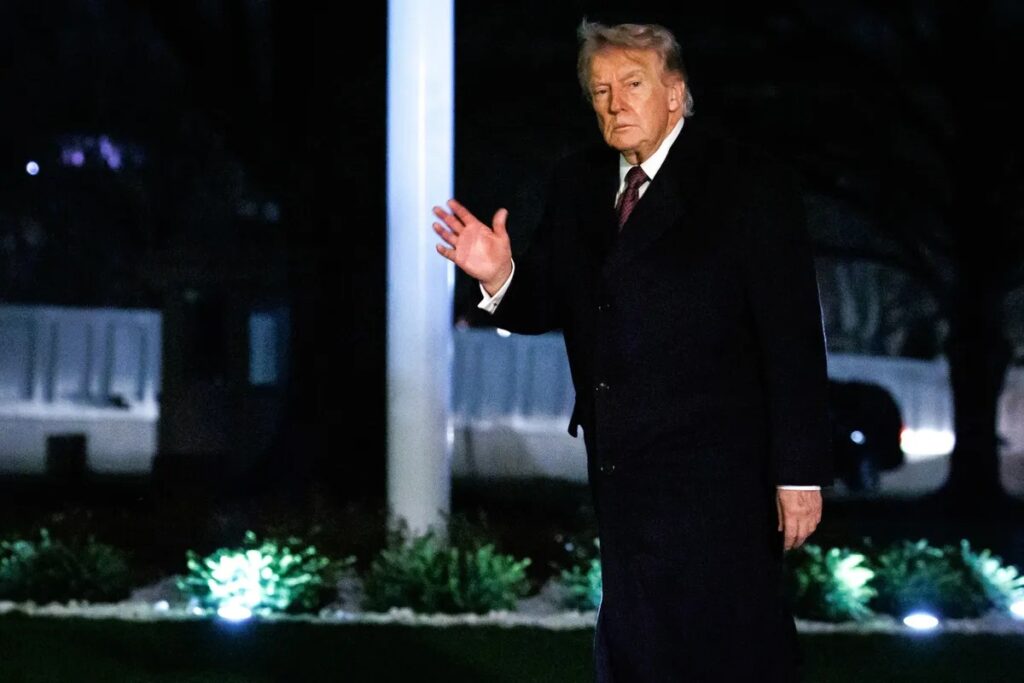
When Donald Trump announced a halt in US military strikes on Iran, he projected confidence, saying negotiations were moving in a “positive direction” and hinting at a potentially “very big” outcome tied to energy dynamics. Markets reacted instantly. Oil prices eased, equities moved higher, and investors began unwinding positions built on prolonged conflict.
But the most dramatic shift came in precious metals. Gold and silver prices plunged, defying their traditional role as safe-haven assets.
Within hours, Iran contradicted the narrative. Iranian officials stated that no formal negotiations were underway and signalled that any diplomatic path would require clear preconditions, including a halt to hostilities.
At the same time, Tehran made a crucial move that briefly calmed global markets. It indicated that “non-hostile” vessels could pass through the Strait of Hormuz, a vital energy corridor handling nearly one-fifth of the world’s oil supply.
The combined effect of these signals triggered a sharp and complex market reaction, exposing how modern financial systems are driven as much by perception as by reality.
War Pause Sparks Historic Metal Crash
The immediate reaction to Trump’s announcement was swift and far-reaching. Markets interpreted the pause in strikes as a possible turning point in the conflict, prompting a rapid shift toward risk-taking.
Gold prices fell as much as 5 percent in a single session, with intraday losses briefly touching 8 to 9 percent during peak volatility. From recent highs, gold has now declined more than 20 percent, placing it firmly in bear market territory.
Silver saw even sharper declines. Prices dropped between 8 and 12 percent across sessions, reflecting its higher sensitivity to rapid changes in market sentiment.
This was not a slow correction. It was a sudden liquidation event that erased weeks of gains within days. The scale and speed of the fall underline how quickly markets can reprice risk when expectations shift.
Liquidity Crunch and $7.9B Institutional Exit
Behind the collapse in gold and silver prices was a powerful liquidity-driven dynamic.
As volatility intensified across global markets, investors rushed to raise cash. This triggered a broad sell-off across asset classes, including gold, which is typically considered a defensive asset.
Data from the World Gold Council showed that gold-backed exchange traded funds recorded outflows of approximately $7.9 billion, signalling a sharp institutional exit. This was not retail panic but a coordinated repositioning by large funds adjusting to rapidly changing conditions.
In times of stress, investors prioritise liquidity. Gold, being one of the most liquid assets, becomes a source of capital rather than a store of value.
This explains why prices fell sharply even as geopolitical tensions remained unresolved.
Hormuz Signal, Oil Drop and Rate Pressure
The deeper driver of the market shift lies in the oil-inflation-interest rate cycle.
The conflict had already pushed crude oil prices above $100 per barrel, fuelling concerns about sustained global inflation. However, Trump’s pause, combined with Iran’s signal allowing “non-hostile” vessels through the Strait of Hormuz, helped ease immediate supply fears.
Oil prices subsequently dropped by around 4 percent, reflecting expectations of reduced disruption in one of the world’s most critical energy routes.
This shift had a direct impact on inflation expectations. While energy prices cooled temporarily, the broader outlook remained uncertain, leading markets to reassess earlier assumptions of imminent interest rate cuts.
Instead, expectations moved toward a prolonged period of higher interest rates.
For gold, this is a critical factor. As a non-yielding asset, gold becomes less attractive when interest rates remain elevated. Investors tend to move toward yield-generating assets such as bonds.
At the same time, a stronger US dollar added further pressure, making gold more expensive for international buyers and weakening global demand.
The result was a powerful macroeconomic force that outweighed traditional safe-haven demand.
Iran Rejects Claims, Markets Reprice Reality
The optimism created by Trump’s statement was short-lived.
Iranian officials rejected the narrative of ongoing negotiations, stating clearly that no talks were taking place and that any diplomatic process would require firm preconditions, including a halt to military actions.
This directly contradicted the perception that had driven the initial market rally.
Markets, which had already priced in a degree of de-escalation, were forced to reassess. However, the adjustment was not immediate. Instead, it triggered further volatility, with gold and silver prices briefly rebounding before facing renewed pressure.
This sequence highlights a defining feature of modern markets. Prices are increasingly driven by expectations and political signals rather than confirmed developments.
When those signals are challenged, volatility intensifies rather than stabilises.
Safe-Haven Breakdown in a Volatile Global System
The most significant takeaway from this episode is the temporary breakdown of gold’s traditional safe-haven role.
Historically, gold rises during war and uncertainty. In this case, it fell sharply despite an active geopolitical conflict in a strategically critical region.
The reason lies in the dominance of macroeconomic forces. Interest rate expectations, currency strength, liquidity needs, and institutional flows now play a more decisive role in shaping price movements.
Additional pressure came from weakening demand in key markets such as China, further contributing to the decline.
At the same time, volatility has become the defining feature of global markets. Gold has experienced sharp intraday swings, with rapid declines followed by partial recoveries, reflecting a highly reactive environment.
Trump’s halt on war triggered a chain reaction that extended far beyond geopolitics. Gold and silver prices collapsed not because the world became safer, but because investors recalibrated expectations around inflation, interest rates, and liquidity.
Iran’s contradiction reinforced the uncertainty, exposing the widening gap between perception and reality.
In today’s financial system, that gap is where volatility thrives, and where markets are increasingly shaped not just by events, but by the narratives built around them.


