

The push for a 45-day ceasefire between United States and Iran has entered a critical phase, with diplomats working through a single communication channel to contain a conflict that risks expanding across the region. What is under discussion is not just a pause in fighting, but a structured pathway that could lead to a broader settlement if both sides move forward.
The proposal has emerged through backchannel exchanges handled primarily via Pakistan, which is currently acting as the main conduit for communication between Washington and Tehran. Officials involved in the process indicate that discussions are ongoing, but no final agreement has been reached.
Deal structure
The ceasefire plan is built around a two-stage approach. The first stage proposes a 45-day halt in hostilities. During this period, negotiations would focus on reaching a longer-term agreement that could formally end the conflict.
Diplomatic sources indicate that all elements of the initial understanding are being pushed for agreement within a very short window, with officials warning that key terms need to be settled immediately for the process to move forward. The arrangement is expected to take the form of a preliminary memorandum of understanding that could be finalised electronically before moving to more formal negotiations.
The framework also includes early stabilisation steps, particularly linked to maritime security and the safe movement of energy supplies through the Strait of Hormuz. However, core disputes, including full resolution of maritime restrictions and nuclear-related issues, are expected to be addressed only in the second phase of negotiations rather than during the ceasefire itself.
Alongside Pakistan’s central role, other regional actors such as Turkey and Egypt are supporting the process, though communication between the two sides remains largely indirect.
Official positions
Public statements from both sides reflect a mix of pressure and caution, with messaging shaped by ongoing negotiations.
Donald Trump has linked the ceasefire directly to developments on the ground, particularly the reopening of the Strait of Hormuz. He has warned that Iran must act within a defined timeline or face consequences, including possible strikes on key infrastructure. “A deal is possible,” he said, while also cautioning that failure could lead to escalation, adding that the situation could move toward “blowing up everything” if no agreement is reached.
There has been no immediate formal confirmation of the ceasefire proposal from the White House or the State Department, indicating that discussions remain sensitive and ongoing.
On the Iranian side, officials have rejected claims that Tehran requested a ceasefire. A spokesperson described such suggestions as “false and baseless,” signalling that Iran does not want to be seen as negotiating under pressure.
At the same time, diplomatic exchanges suggest that Iran is engaged through intermediaries and is assessing the proposal based on specific conditions tied to security and economic concerns.
Core demands
The negotiations are shaped by a set of complex and overlapping demands that go beyond halting the fighting.
Iran is seeking firm guarantees that it will not face future military action. Officials are also looking for sanctions relief alongside any commitments related to their nuclear programme. Tehran’s position reflects a concern that a temporary ceasefire without long-term assurances could leave it exposed.
One official familiar with the discussions indicated that Iran wants to avoid a situation where a ceasefire exists on paper but hostilities resume shortly after.
The United States is pushing for limits on Iran’s nuclear activities while prioritising the security of global energy routes. The Strait of Hormuz remains central, given its importance to global oil supply.
Mediators are working on partial steps rather than full concessions. These include limited measures by Iran on maritime activity and nuclear stockpiles, alongside potential steps from the United States to address Iranian concerns. The aim is to build confidence gradually during the ceasefire period while leaving more difficult issues for the final agreement.
Rising pressure
The urgency of the talks is driven by increasing pressure on both military and economic fronts.
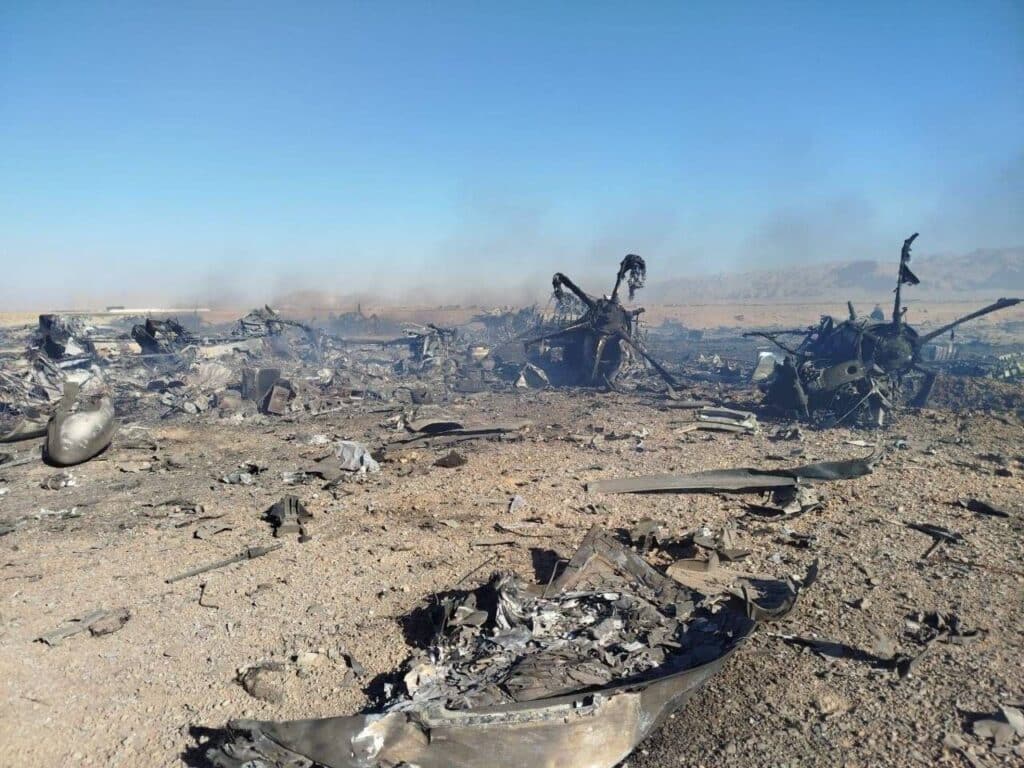
On the ground, military activity continues. Missile and drone strikes have affected multiple areas, and air defence systems remain active across the region. Civilian infrastructure has been impacted, and casualty figures continue to rise.
At the same time, the economic effects are becoming more visible. Disruptions linked to the Strait of Hormuz have pushed oil prices higher, raising concerns about global supply chains and inflation.
Diplomatic sources indicate that the current window for progress is extremely narrow. Officials involved in the process have described the coming hours as critical, with the possibility that the framework could take effect immediately if an understanding is reached. At the same time, they caution that the chances of securing a full agreement within this timeframe remain uncertain.
What lies ahead
The outcome of the ceasefire proposal remains unclear as indirect negotiations continue through mediators.
Donald Trump has reiterated that progress depends on developments on the ground, particularly the reopening of the Strait of Hormuz, warning of consequences if conditions are not met. “A deal is possible,” he said, while cautioning that failure to reach agreement could lead to escalation.
Iranian officials have maintained their public position, rejecting claims that they initiated ceasefire talks and describing such reports as “false and baseless.” At the same time, diplomatic sources indicate that Tehran is evaluating the proposal based on security guarantees and economic considerations.
No formal commitment has been made by Iran to the 45-day ceasefire. Discussions are continuing, with mediators working to narrow differences through incremental steps.
The situation remains tense, with military activity continuing alongside diplomatic efforts, and the direction of the conflict will depend on whether the current negotiations result in a workable agreement or further escalation.


