

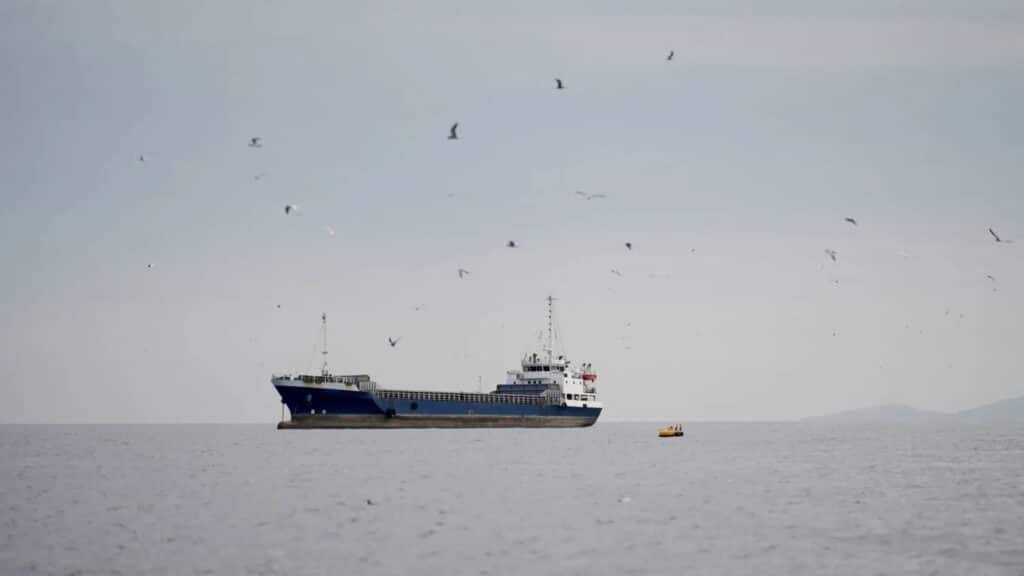
The United States has begun enforcing a maritime blockade targeting vessels linked to Iran, warning that ships entering or leaving Iranian ports without authorisation could face interception or seizure near the Strait of Hormuz.
The measures came into effect at 10 a.m. ET on Monday, according to US authorities, following the collapse of weekend talks between Washington and Tehran. The move marks a significant escalation in tensions in a waterway that carries a substantial share of global energy supplies.
The blockade applies to maritime traffic connected to Iranian ports and coastal infrastructure, while transit through the wider strait remains open under heightened monitoring. The development follows more than 20 hours of negotiations in Pakistan that ended without agreement on key issues, including Iran’s nuclear programme and regional security concerns.
Blockade Order
The directive has been issued by United States Central Command, which confirmed that enforcement applies to vessels of all nationalities entering or leaving Iranian ports. Ships operating in designated zones without clearance may be stopped, boarded, diverted or detained.
Donald Trump has backed the move and called on allied nations to support efforts to secure maritime routes. Requests for additional naval support have so far received limited response.
The US military has indicated that the measures are focused on restricting Iranian oil exports and related maritime activity. Humanitarian shipments, including food and medical supplies, are expected to be allowed subject to inspection procedures.
The scope of the action extends across Iran’s coastline, covering major ports and oil terminals connected to export infrastructure. The approach allows for targeted enforcement without formally closing the Strait of Hormuz to global shipping.
Toll Dispute
At the centre of the confrontation is a dispute over Iran’s attempt to impose transit charges on vessels passing through the strait. US officials have described the move as a violation of international maritime norms, stating that international waterways cannot be subject to unilateral toll systems.
Iran has rejected the claim and maintains that its actions are linked to national security considerations. Available information indicates that Tehran had already begun restricting access to parts of the strait before the US announcement, contributing to rising tensions in recent days.
The dispute has placed commercial shipping companies in a complex position. Compliance with Iranian demands could expose vessels to US enforcement action, while refusal may increase operational risks in waters near Iran’s coastline.
Shipping Disruption
Maritime traffic in and around the Strait of Hormuz showed signs of disruption before the blockade took effect. Ship tracking data indicated reduced movement, with several vessels altering routes or remaining at anchor near key Iranian ports, including Bandar Abbas.
Dozens of vessels, many linked to Iranian operations, have been observed anchored near port facilities. At the same time, multiple Iranian tankers carrying an estimated 21 million barrels of oil have been positioned outside the strait in the Gulf of Oman.
A sanctioned tanker, the Auroura, was tracked in the region after passing through the strait. Other vessels, including a Chinese-owned tanker transporting petroleum products, have continued transit under monitoring systems.
Maritime data also showed that traffic through the strait slowed significantly on Sunday, before US officials clarified that the blockade applies specifically to Iranian ports rather than the entire waterway.
A US sanctions waiver covering certain Iranian oil shipments at sea is due to expire on April 19, adding to uncertainty for operators managing cargo already in transit.
Oil and Markets
The Strait of Hormuz remains a critical route for global energy flows. Around 20 million barrels of oil pass through the strait each day, representing roughly one fifth of global supply. The waterway also carries a significant share of the world’s liquefied natural gas shipments.
Following the announcement of the blockade, oil prices rose above 100 dollars per barrel. Stock markets declined as investors reacted to the prospect of supply disruption and increased geopolitical risk.
Market participants have focused on the potential impact on Iranian exports, which could be significantly reduced if enforcement measures are sustained. Delays in cargo movement and higher operational costs for shipping companies have also contributed to uncertainty in energy markets.
Global Response
Iran’s Islamic Revolutionary Guard Corps has said it will respond to the US measures, indicating the possibility of retaliatory actions. Iranian authorities have also signalled that restrictions on their exports could affect broader regional stability.
Benjamin Netanyahu expressed support for the US action and reiterated that any future agreement involving Iran would require limits on its nuclear programme. He also referred to plans for a “deeper security zone” in southern Lebanon ahead of expected discussions.
In Europe, Friedrich Merz said he had low expectations for the recent negotiations and noted that the economic effects of the conflict could persist over time. German officials have reiterated that diplomatic engagement remains necessary.
The United Kingdom has indicated it will not participate in enforcement operations. Other governments have called for restraint as the situation develops.
Current Situation
The US decision to enforce a blockade on Iranian-linked shipping marks a shift toward direct maritime action in the Strait of Hormuz.
While the strait remains open to international transit, the focus on Iranian ports has introduced new operational risks for commercial shipping and energy markets. Enforcement measures are now in effect, and their impact on global trade and regional stability continues to unfold.


