

The Strait of Hormuz, one of the world’s most critical maritime chokepoints, has entered a dangerous and fast-evolving phase after a French container ship was struck in a fresh escalation, even as Iran signalled it is prepared to pursue a comprehensive agreement with the United States. At the same time, US President Donald Trump said progress had been made in negotiations and temporarily paused a naval mission designed to assist commercial vessels navigating the strait.
The situation has created a fragile balance between diplomacy and confrontation. On one hand, there are active signals of a potential deal between Washington and Tehran. On the other, commercial shipping continues to face real security threats, with vessels operating under heightened risk and global energy markets reacting to every development.
The Strait of Hormuz remains one of the most strategically important waterways in the world, handling a significant share of global oil and liquefied natural gas shipments. Any disruption in this corridor has immediate consequences for global trade, fuel prices, and economic stability.
Ship Struck
A French-owned container vessel was struck while transiting the Strait of Hormuz, marking one of the most serious recent incidents involving commercial shipping in the region. The attack reportedly caused damage to the vessel and raised renewed concerns over the safety of civilian maritime traffic in the Gulf.
The strike highlights how quickly the situation can escalate even during active diplomatic discussions. Shipping companies are now operating in an environment where commercial routes overlap with geopolitical flashpoints, increasing both operational costs and insurance risks.
For global shipping firms, the incident reinforces a growing reality. The Strait of Hormuz is no longer just a trade route but a zone of strategic uncertainty, where even routine voyages carry potential danger.
Iran’s Position
Iran has stated that it is willing to continue negotiations with the United States, but insists that any agreement must be fair and comprehensive. Iranian Foreign Minister Abbas Araqchi said, “We will do our best to protect our legitimate rights and interests in the negotiations.”
This statement reflects Tehran’s broader diplomatic posture, which seeks relief from economic sanctions while maintaining its strategic autonomy. Iran is attempting to present itself as open to dialogue, but unwilling to accept terms it views as unbalanced or externally imposed.
Iran’s Revolutionary Guard has also suggested that maritime traffic through the Strait of Hormuz can continue under revised security arrangements. In a separate statement, it said, “With US threats neutralized and new protocols in place, safe, stable passage through the Strait of Hormuz will be ensured.”
The messaging is deliberate. Iran is positioning itself as both a key security actor in the region and a central stakeholder in any future maritime arrangement, effectively linking diplomacy with control over one of the world’s most important shipping lanes.
Trump’s Strategy
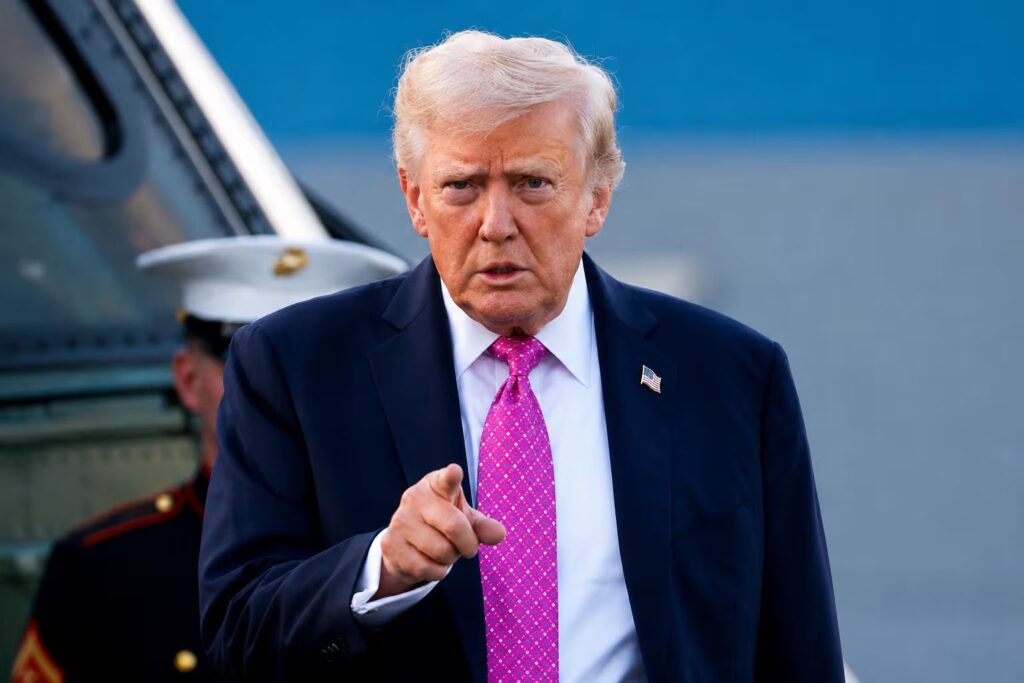
Donald Trump has described the current diplomatic moment as a potential breakthrough, stating that significant progress has been made toward an agreement with Iran. He confirmed that the US would temporarily pause its naval operation designed to support shipping through the Strait of Hormuz, describing it as a move to allow talks to advance.
Trump said, “Great Progress has been made toward a Complete and Final Agreement with Representatives of Iran.”
He added, “Project Freedom will be paused for a short period of time to see whether or not the Agreement can be finalized and signed.”
However, Trump also issued a direct warning that underscored the fragility of the situation. He said, “If Iran does not accept the agreement, the bombing will begin, and this, unfortunately, will be at a much higher level and intensity than before.”
This dual-track approach reflects a strategy of combining diplomatic engagement with the threat of force. While the pause in naval operations signals willingness to de-escalate, the warning ensures that military pressure remains part of the negotiation framework.
The result is a tightly balanced approach where diplomacy and deterrence are being used simultaneously, increasing both the urgency and volatility of the talks.
Deal Prospects
Behind the public statements, officials on both sides are reportedly discussing a limited framework that could serve as a first step toward a broader agreement. The proposed structure is believed to include temporary restrictions on Iran’s nuclear activities, partial sanctions relief, and measures aimed at stabilising maritime movement through the Strait of Hormuz.
No final agreement has been reached, and significant gaps remain. Iranian political figures are reportedly divided over the economic and strategic value of the proposal, while US officials remain concerned about enforcement mechanisms and long-term compliance.
Despite these challenges, the fact that structured discussions are taking place suggests a shift in tone compared to earlier periods of heightened tension. Even a temporary framework would represent a meaningful reduction in immediate risk, particularly for global shipping and energy markets.
However, failure to secure an agreement could quickly reverse recent diplomatic progress and return the region to a cycle of escalation and uncertainty.
Global Impact
The impact of the Strait of Hormuz crisis extends far beyond the immediate region. The waterway is a critical artery for global energy supplies, with a substantial portion of the world’s crude oil and liquefied natural gas passing through it daily.
Disruption in the strait can rapidly affect global markets, increasing oil prices, raising shipping insurance costs, and contributing to inflationary pressure in importing economies. Countries such as India, China, Japan, and several European nations are particularly sensitive to changes in supply conditions through the Gulf.
Recent disruptions have already demonstrated the scale of the challenge, with reports indicating that a large number of vessels and crew members have faced delays inside the Gulf due to security concerns and operational restrictions.
A diplomatic breakthrough could stabilise markets and restore confidence in global shipping routes. However, continued instability or renewed escalation would likely increase volatility in energy markets and intensify pressure on global supply chains.
For now, the Strait of Hormuz remains open but highly uncertain, with both diplomacy and risk moving forward at the same time.


