

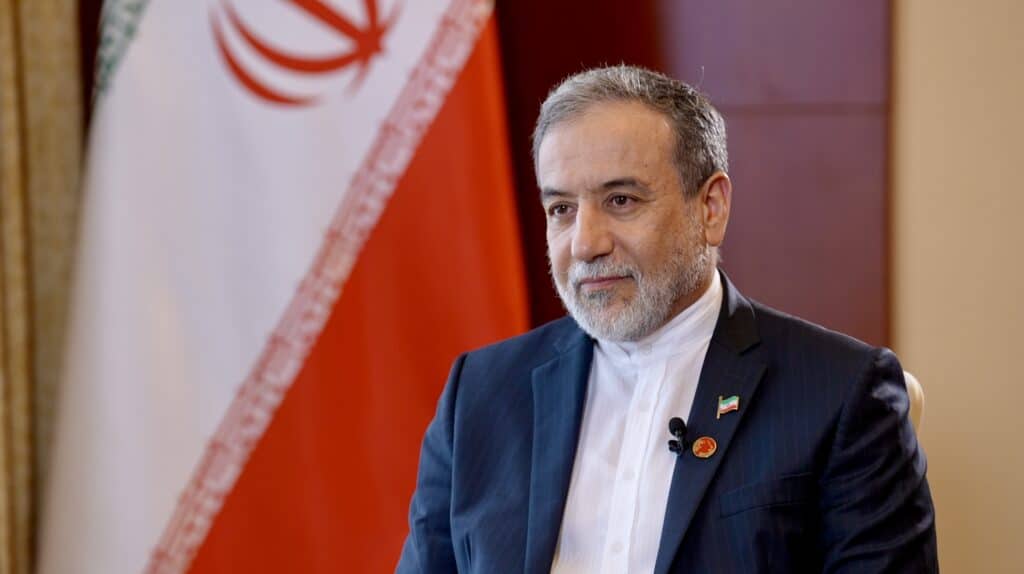
Iran’s Foreign Minister Seyed Abbas Araghchi has rejected reported American intelligence claims that recent US strikes significantly reduced Iran’s missile capability, insisting that the country’s arsenal remains stronger than before and that military readiness is fully intact.
His remarks came after reports citing a CIA assessment that said Iran’s missile inventory and launcher capacity had fallen to around 75% of levels recorded on 28 February. Araghchi dismissed that figure, saying the correct level was 120%. He added that Iran’s readiness to defend its people remained uncompromised.
The comments represent one of Tehran’s clearest public responses since the latest round of military confrontation involving the United States, and come amid continued regional instability and renewed diplomatic activity involving major international partners.
Araghchi Rejects CIA-Linked Figures
According to reports, the disputed assessment concluded that Iranian missile stocks and operational launch capability had been reduced following recent US military action. Iranian officials responded by rejecting the figures and insisting that no such degradation had taken place.
Araghchi said the CIA assessment was wrong and rejected claims that Iran’s military strength had been weakened. He said Iran’s missile inventory and launcher capacity were not at 75% of previous levels, but at 120%. He further stated that the country remained fully prepared to defend its people and territory.
No independent public verification has been released regarding the competing claims. Intelligence assessments are typically based on classified satellite imagery, intercepted communications and military analysis, while governments involved in conflict often issue their own public counter-statements.
The disagreement highlights the importance of military messaging during periods of confrontation, where public claims about capability can shape deterrence as much as battlefield outcomes.
US Strikes Trigger Latest Exchange
The war of words follows recent US strikes on Iranian targets, which sharply increased tensions between Tehran and Washington. Details of the targets and the scale of damage have been contested, with both sides presenting sharply different narratives.
Washington has indicated that military action was aimed at limiting threats posed by Iranian capabilities and protecting US interests. Iran has described the strikes as unlawful aggression and has said it reserves the right to respond under international law.
Araghchi said that every time a diplomatic solution is on the table, the United States opts for what he described as a reckless military adventure. He questioned whether such moves were a crude pressure tactic or the result of outside actors once again drawing Washington into another regional quagmire. He added that regardless of the cause, the outcome remained the same: Iranians never bow to pressure and diplomacy becomes the victim.
The statement is consistent with Iran’s broader diplomatic messaging in recent years, in which officials have criticised sanctions and military pressure while saying negotiations should remain the preferred path.
Missile Programme Central to Iran’s Defence Policy
Iran’s missile programme remains a central part of its national security strategy. Facing decades of sanctions and restrictions on access to advanced Western military aircraft, Tehran has invested heavily in domestically produced ballistic and cruise missile systems as well as drones.
Iranian officials have repeatedly said these systems are defensive and necessary to deter external threats. The United States, Israel and several regional governments argue that the programme contributes to instability and increases risks across the Middle East.
Because missiles occupy such a central role in Iran’s military doctrine, claims about reduced stockpiles carry political and strategic significance. For Washington, such assessments may suggest recent strikes achieved operational goals. For Tehran, rejecting those claims is important to preserve deterrence and signal continued readiness.
Araghchi’s insistence that stocks were at 120% and readiness remained intact was therefore aimed not only at rebutting US claims but also at demonstrating confidence to domestic and regional audiences.
Diplomacy Remains Part of the Message
Despite the confrontational language, Araghchi also reaffirmed Iran’s stated commitment to diplomacy. Iranian officials have repeatedly said that while the country will defend itself, negotiations remain possible if external pressure and military attacks stop.
This dual approach of military defiance combined with diplomatic openness has long characterised Tehran’s foreign policy during crises. Public rhetoric often stresses sovereignty and resistance, while diplomatic channels remain active behind the scenes.
The United States has also at times pursued a dual-track policy, combining sanctions and military pressure with calls for talks. That pattern has frequently led to periods where both sides exchange threats publicly while maintaining indirect communication through intermediaries.
Araghchi’s latest statement suggests Iran continues to position itself as willing to negotiate, even as it rejects what it sees as coercive tactics.
India Visit and Wider Diplomatic Context
The foreign minister’s remarks also come as Iran maintains engagement with major non-Western partners, including India. Reports linked Araghchi’s recent diplomatic outreach to wider regional consultations and meetings connected to BRICS.
For India, developments involving Iran are closely watched because of energy security concerns, shipping routes and broader strategic interests in West Asia. India has historically sought balanced ties across the region while supporting stability and freedom of navigation.
Iran’s outreach to partners such as India, China and Russia reflects a broader effort to diversify diplomatic relationships amid long-standing Western sanctions and pressure.
The timing of Araghchi’s comments therefore places the military dispute within a wider international context, where Tehran is seeking to demonstrate resilience while continuing foreign engagement.
Strait of Hormuz in Focus
The latest escalation also carries implications for the Strait of Hormuz, one of the world’s most important maritime chokepoints. A significant share of global oil and gas exports passes through the narrow waterway separating Iran from Gulf Arab states.
Any confrontation involving Iran and the United States raises immediate concerns over tanker traffic, shipping insurance and energy prices. Previous crises in the Gulf have seen vessel seizures, naval stand-offs and attacks blamed on regional actors.
Although no major closure has occurred, markets remain sensitive to political and military developments in the area. Statements by senior Iranian and American officials are therefore monitored well beyond the region.
Information Battle Alongside Military Tensions
The disagreement over missile numbers illustrates how modern confrontations are fought not only through military action but also through competing narratives.
Governments seek to shape perceptions of strength, damage and resolve. Intelligence leaks, official statements and media reports can all influence adversaries, allies and domestic opinion.
In this case, the reported CIA estimate suggested Iran had suffered a measurable reduction in capability. Tehran’s response was to publicly reject the figures and claim the opposite, saying missile stocks were higher than ever.
Without independent verification, the precise military reality remains unclear. What is clear is that both sides consider the narrative itself strategically important.
Uncertain Path Ahead
There is no immediate indication that tensions between Iran and the United States will ease quickly. Military pressure, intelligence claims and sharp diplomatic rhetoric continue, even as indirect efforts to prevent wider escalation are likely to remain active.
Araghchi’s statement combined three clear messages: Iran rejects claims that its arsenal has been weakened, says it remains fully prepared to defend its people, and insists diplomacy is still possible.
For now, the immediate facts remain contested but the broader picture is clear. The conflict has moved beyond military strikes into a wider struggle involving deterrence, diplomacy and regional stability. With global energy routes, major-power interests and Middle East security all affected, the next steps taken by Tehran and Washington will be watched closely around the world.


