

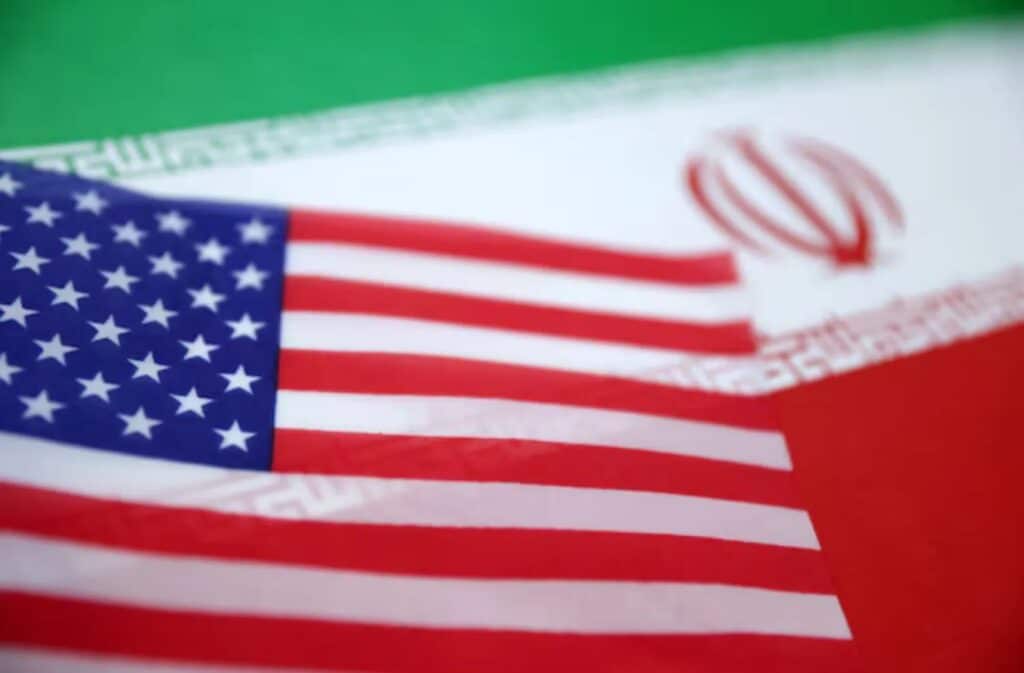
The Iran crisis has entered a decisive and highly dangerous phase, with diplomacy under strain, military pressure increasing and global markets reacting nervously to every new development. What began as another round of tense exchanges has now widened into a broader geopolitical confrontation involving the United States, Israel and several regional powers watching events unfold with growing concern. At the centre of the crisis are unresolved disputes over Iran’s nuclear programme, economic sanctions, maritime security in the Strait of Hormuz and the wider balance of power in the Middle East.
US President Donald Trump has intensified pressure on Tehran while insisting that an agreement remains possible if Iran changes course quickly. Iranian officials say they remain open to dialogue, but only on terms that preserve national dignity and sovereignty. Israel, meanwhile, continues to argue that any lasting settlement must directly address Iran’s nuclear capabilities and regional influence. With oil prices sensitive, shipping routes under scrutiny and diplomatic channels fragile, the coming days could determine whether the region moves towards negotiation or deeper confrontation.
Diplomacy Faces Fresh Deadlock
Recent efforts to revive negotiations suffered a setback after Donald Trump sharply criticised Iran’s latest response to a proposed ceasefire and peace framework. Reports said Trump described Tehran’s position as “totally unacceptable” and suggested Washington would not tolerate prolonged delays or vague commitments.
Trump has repeatedly signalled that he prefers a negotiated settlement but only if Iran takes immediate and verifiable steps. In recent remarks, he said “Iran knows what it needs to do,” while warning that the opportunity for diplomacy would not remain open forever. The message from Washington has been clear: compromise now or face greater pressure later.
Iran responded by rejecting what it called one-sided expectations from the United States. Officials in Tehran said they remained ready for talks “with dignity and authority,” signalling that negotiations under threat or coercion would not be accepted. Iranian representatives also accused Washington of making “unreasonable demands” that ignored regional realities and Iran’s sovereign rights.
The central obstacle remains unchanged. The United States wants de-escalation before broader concessions. Iran wants guarantees before strategic compromises. Until that sequence changes, diplomacy is likely to remain slow, fragile and uncertain.
Trump Escalates Pressure on Tehran
Donald Trump has placed the Iran crisis at the heart of his foreign policy messaging, portraying it as a test of American resolve and deterrence. His administration has explored tougher sanctions enforcement, closer military coordination with allies and stronger protection of strategic trade routes.
Trump has said “We want peace, but it has to be peace through strength,” a phrase that reflects his wider approach to the crisis. He has also warned that any attack on US interests, allies or commercial shipping would trigger a serious response. Those remarks are designed not only for Tehran, but also for regional partners seeking reassurance of continued American backing.
At the same time, Trump appears eager to secure a diplomatic breakthrough that could be presented as a major strategic success. That dual-track strategy, maximum pressure combined with an open door for talks, has become a defining feature of the current US approach.
However, the strategy carries clear risks. Iran has historically responded to economic and military pressure by increasing leverage rather than stepping back. If both sides continue raising demands in public, the chances of miscalculation or unintended escalation will rise sharply.
Hormuz Tensions Shake Global Markets
The Strait of Hormuz has once again become the most sensitive flashpoint in the wider crisis. The narrow waterway carries a major share of the world’s oil exports, meaning even limited disruption can have immediate consequences for fuel prices, shipping costs and investor confidence.
Recent reports of tanker route changes, maritime warnings and security incidents have increased fears over the safety of commercial traffic. Some vessels have reportedly taken precautionary measures as regional tensions remain elevated. Insurance costs for transit through high-risk waters are also under close watch.
Iran has warned against what it calls foreign militarisation of Gulf waters, arguing that outside naval deployments increase the risk of confrontation. Tehran says regional states should manage their own security arrangements without external pressure.
Western governments have taken a different position, stressing that freedom of navigation must be protected. Discussions among allies over maritime security measures underline the seriousness with which capitals are treating the threat. South Korea also condemned an attack on a cargo vessel, highlighting how non-regional economies are increasingly concerned about trade disruption.
For India and other major energy importers, any prolonged instability in Hormuz could mean higher crude prices, inflation pressure and wider economic uncertainty.
Israel Keeps Nuclear Issue Central
Israel continues to insist that Iran’s nuclear programme remains the core strategic issue behind the present crisis. Prime Minister Benjamin Netanyahu has argued that any ceasefire without strict nuclear limits would only postpone a larger confrontation.
In recent remarks, Netanyahu said “The problem is not temporary calm. The problem is Iran’s capability.” Israeli officials maintain that Iran’s enriched uranium stockpile, missile development and network of allied armed groups together pose an unacceptable long-term threat.
Iran rejects those accusations and says its nuclear programme is peaceful and civilian in nature. Tehran has repeatedly argued that it operates within its sovereign rights and that Western powers apply selective standards across the region. Iranian officials also insist that years of pressure have failed to halt scientific progress.
This dispute makes diplomacy especially complex. A ceasefire may pause immediate hostilities, but it does not resolve questions over uranium enrichment levels, inspections, stockpiles or future enforcement mechanisms. That is why many diplomats believe any short-term truce would still need a much broader follow-up agreement.
Region Waits for the Next Move
Across the Middle East, governments are watching carefully for signs of either compromise or escalation. Gulf states fear that a wider conflict would threaten trade flows, aviation routes, investment confidence and domestic stability. Lebanon and Syria remain vulnerable to spillover tensions linked to Iran-backed groups and Israeli military operations.
Pakistan has reportedly played a quiet mediation role in transmitting messages during the latest diplomatic exchanges, showing that regional actors are trying to prevent a wider breakdown. European governments continue urging restraint, while Russia and China are expected to remain influential diplomatic players because of their strategic and economic interests.
The next move may depend on whether Washington and Tehran choose private diplomacy over public ultimatums. Trump has indicated that the door to talks remains open, but only briefly. Iranian officials say they are prepared for dialogue, but not surrender.
For now, the region stands at a critical crossroads. One path leads to renewed negotiations, however difficult. The other leads to retaliation, market shocks and a conflict whose consequences would reach far beyond the Middle East. The world is now waiting to see which path Iran, the United States and their rivals choose next.


