

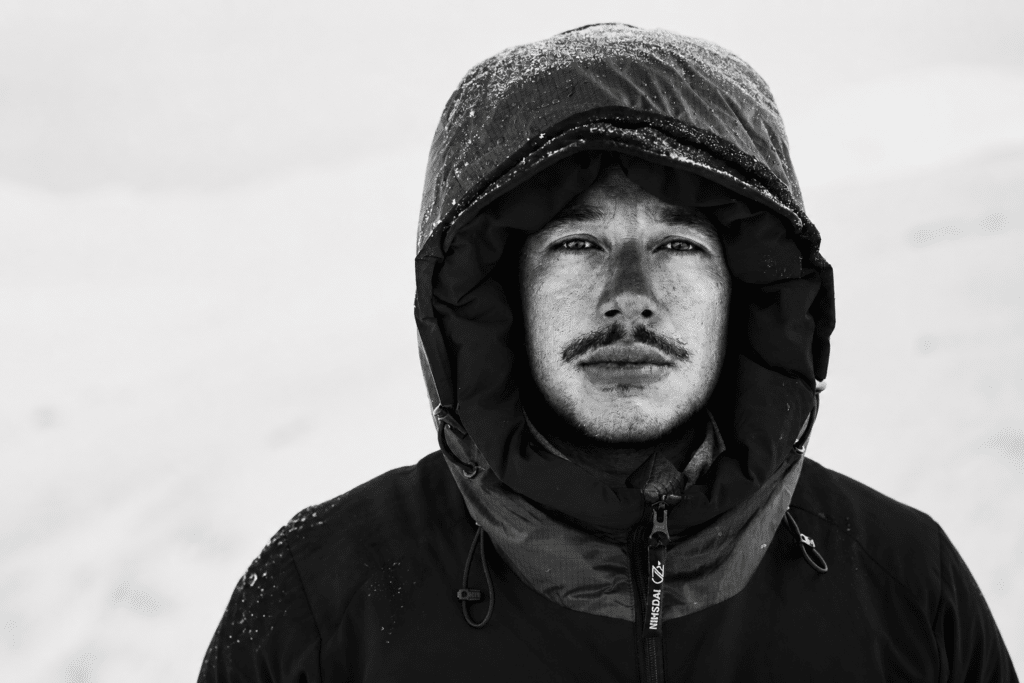
The global mountaineering community is in mourning after the body of Nirmal “Nims” Purja, the record breaking Nepali climber, was recovered on Broad Peak following a devastating avalanche that swept away ten climbers in Pakistan’s Karakoram range.
Purja, 43, had gained worldwide fame for completing all 14 of the world’s 8,000 metre peaks in a record six months and six days (189 days), an achievement later chronicled in the Netflix documentary 14 Peaks: Nothing Is Impossible. His death, confirmed by his expedition company over the weekend, marks one of the most significant losses in modern high altitude mountaineering.
So far, five bodies have been recovered from the mountain, while search and rescue teams continue efforts to locate the remaining five climbers who were part of the ten person expedition.
What Happened on Broad Peak
The avalanche struck at around midday on Thursday while Purja was leading a group of ten climbers on Broad Peak, the world’s twelfth highest mountain at 8,051 metres (26,414 feet), located in the Gilgit-Baltistan region of northern Pakistan. The team was traversing a section of the mountain when the snow gave way, sweeping the entire group off the route.
According to reports, several other expeditions had already left the mountain earlier in the week due to concerns over recent heavy snowfall, a decision that in hindsight underscores how unstable conditions had become. Rescue operations began almost immediately, but the remote and difficult terrain made recovery efforts slow and dangerous.
Confirmation of Nirmal Purja’s Death
Purja’s own expedition company, Elite Expeditions, confirmed the tragedy in a statement posted to social media. The statement read:
“Today it is with profound sadness and immense heartbreak that we confirm that Nirmal ‘Nimsdai’ Purja tragically lost his life following the avalanche on Broad Peak.”
The company added that other members of the expedition team had also not survived, though full details were not immediately released. In a further message, Elite Expeditions wrote:
“Today, we mourn not only Nims, but every life lost in this tragedy.”
The Search and Rescue Operation
Pakistani rescue teams, supported by military helicopters and high altitude porters, launched an extensive search for the missing climbers despite challenging weather and terrain. Ground teams first located and recovered the bodies of Nadhira Ahmed Abdullah Al Harthy, a mountaineer from Oman who was the first Omani woman to summit Mount Everest, and Pur Bahadur Gurung “Yukta” of Nepal. Shortly after, the body of American climber Mallory Geis was also recovered.
Over the following days, rescuers confirmed the recovery of Purja himself along with fellow Nepali guide Nima Sherpa, bringing the total number of bodies recovered to five. Five climbers, including a Pakistani guide and a Chinese climber identified only as Wang, remained unaccounted for as search efforts continued.
The group of ten included five Nepali climbers led by Purja, a Pakistani guide, the Omani climber Al Harthy, an American climber, a Chinese climber, and one additional foreign national. Officials described the search zone as remote and difficult to access, further complicating recovery efforts in the days following the disaster.
Sajid Hussain, deputy director of the tourism department in Gilgit-Baltistan, noted that the operation was being carried out under extremely demanding conditions, with rescue crews navigating treacherous glacial terrain, ongoing avalanche risk, and adverse weather that repeatedly grounded helicopter flights.
Tributes Pour In From Around the World
News of Purja’s death has triggered an outpouring of grief from political leaders, fellow climbers, and fans across the globe. Nepal’s Prime Minister, Balendra “Balen” Shah, issued a public statement offering condolences to the families of all the climbers who lost their lives. He said:
“Mountaineering is not merely a journey to reach the summit; it is the ultimate expression of courage, discipline, sacrifice, and the indomitable self-confidence that challenges human limits.”
He further added:
“The legacy of their courage, dedication, and contributions will forever remain alive and inspiring. No words can ease the pain of this unimaginable loss, and the world has lost one of mountaineering’s greatest climbers, a leader who inspired millions through his courage.”
The tributes reflect the scale of Purja’s influence, not only as an elite athlete but as a symbol of pride for Nepali climbers, who have long done the hardest and most dangerous work on the world’s highest peaks, often without receiving the recognition given to their international clients.
A Career Built on Breaking Limits
Purja’s journey to becoming one of the most celebrated names in mountaineering began far from the Himalayas. Born in the Nepali district of Myagdi, he moved to the United Kingdom as a teenager and went on to serve in the British Army’s Gurkha regiment, later joining the elite Special Boat Service, one of the British military’s most demanding units. It was this background in high pressure, physically gruelling environments that he often credited for the discipline and endurance he later brought to mountaineering.
Purja did not take up serious climbing until his early thirties, a relatively late start by the standards of professional mountaineering. Yet within a few years he had reshaped what was considered possible at extreme altitude. His breakout project, Project Possible, set out to climb all fourteen of the world’s 8,000 metre peaks, a feat that had previously taken climbers years, in a single unbroken campaign. He completed it in six months and six days, shattering the previous record by more than seven years and doing so largely without the level of sponsorship or institutional support enjoyed by more established climbers at the time.
Beyond Project Possible, Purja built a reputation as one of the most versatile high altitude climbers of his generation, frequently climbing without supplemental oxygen, leading winter ascents of some of the world’s most dangerous peaks, and taking part in rescue efforts to help other climbers in distress on multiple expeditions. He also used his platform to campaign for greater recognition of Nepali and Sherpa climbers, who have historically carried out the most physically demanding work on major expeditions while receiving far less international recognition than the foreign climbers they guide.
Remembering Nirmal Purja’s Legacy
Born in Nepal and formerly a soldier in the British Army’s Gurkha regiment, Purja transitioned into professional mountaineering with a mission to elevate the profile of Nepali climbers globally. In a past interview, he explained his motivation in his own words:
“I really wanted to uplift the name of Nepalese climbers. We are the heroes of 8,000-ers, but we never had that credibility, we are always in shadows, and now it’s time to give credit to these people.”
Purja’s mountaineering résumé was extraordinary. He summited Mount Everest six times, broke Guinness World Records for speed climbing multiple 8,000 metre peaks, and led the historic Gurkha expedition that saw thirteen Gurkha soldiers summit Everest together in 2017 to mark 200 years of Gurkha service. His 2019 achievement, climbing all fourteen of the world’s highest mountains in under seven months, remains one of the most celebrated feats in the sport’s history.
A Somber Moment for the Climbing Community
Broad Peak has a long and complicated history with mountaineers, having claimed lives in previous winter and summer expeditions over the decades. This latest tragedy, however, strikes with particular weight given Purja’s global stature and the sheer number of climbers lost in a single incident.
As bodies continue to be recovered and identified, the mountaineering world is left to reckon with the loss of one of its most inspiring figures. Purja’s death is a stark reminder of the risks that persist even for the most experienced climbers, and of the courage required to operate at extreme altitude in one of the world’s most unforgiving mountain ranges.
Tributes and memorial events are expected in the coming weeks across Nepal, Pakistan, and the broader international climbing community, as friends, family, and fans continue to honor the life and legacy of Nirmal “Nimsdai” Purja.


