

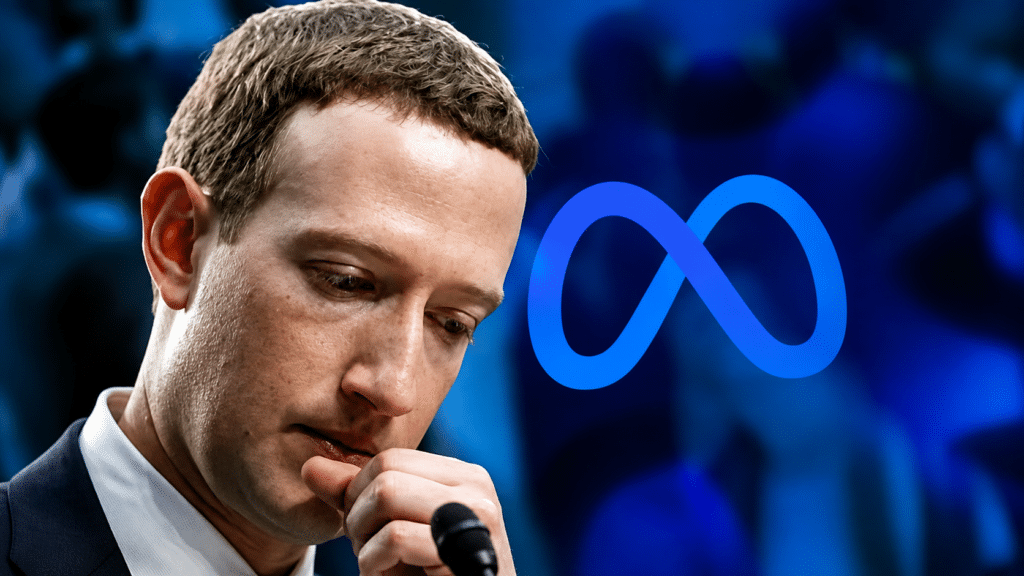
Meta Platforms has formally apologised to the Indian government for briefly restricting a Facebook post shared by Prime Minister Narendra Modi, but the reconciliation came with a pointed warning from officials over the company’s legal protections in the country. The exchange, which took place on Wednesday in New Delhi, highlights how the fallout from the incident has moved beyond a simple apology into questions about Meta’s regulatory standing.
The admission was made by Meta’s Chief Global Affairs Officer, Joel Kaplan, during a high level meeting with India’s Union Minister for Electronics and Information Technology, Ashwini Vaishnaw. The meeting marks the latest chapter in a series of tense exchanges between the social media giant and Indian authorities over the handling of content linked to the country’s top leadership.
What Led to the Apology
The controversy traces back to July, when Facebook temporarily restricted a post published by Modi. India’s information technology ministry responded swiftly, summoning senior Meta executives to explain the lapse. At the time, the company maintained that the post had been blocked inadvertently due to an operational error rather than any deliberate policy decision.
The issue did not end there. Police in Hyderabad subsequently registered a case against Meta India’s head, Arun Srinivas, in connection with videos circulated on Facebook that were said to portray the prime minister in a derogatory manner. These videos gained traction as Modi’s government dealt with widespread youth led protests, reportedly triggered by leaked examination papers that led to a ministerial resignation.
Kaplan’s Statement to the Minister
Speaking on behalf of the company, Kaplan did not mince words while addressing the minister directly. In a statement shared with the media, he said:
“I apologised to the minister on behalf of Meta for the error restricting PM Modi’s post.”
Kaplan was part of a senior delegation that travelled to New Delhi specifically for this engagement. Before the ministerial meeting, the team also held separate discussions with IT Secretary S Krishnan, laying the groundwork for the conversation with Vaishnaw that followed.
Zuckerberg Also Expresses Regret
The apology from Kaplan was not an isolated gesture. According to government sources, Meta chief executive Mark Zuckerberg separately conveyed his own regret earlier the same day over broader concerns flagged by Indian officials. These included the circulation of child sexual abuse material, deepfake content, and other operational shortcomings across the company’s platforms.
Government sources quoted Zuckerberg as acknowledging these issues and expressing regret for the lapses. This came shortly after India’s government had already directed Meta in July to remove advertisements and content promoting child sexual abuse material from Instagram, underlining a pattern of repeated friction between the company and Indian regulators.
The Legal Warning Behind the Apology
Perhaps the most consequential part of Wednesday’s meeting was a stern warning issued to Meta regarding its legal standing in India. Officials told the delegation that the platform’s active role in curating and distributing content could disqualify it from safe harbour protections available to neutral intermediaries under India’s Information Technology Act.
A government source explained the position taken during the meeting:
“It was made clear to them that they are not covered under the intermediary definition. They select who receives the content. Safe harbour under the IT Act not applicable.”
This is a significant statement, since safe harbour protections have long shielded platforms like Facebook and Instagram from liability over content posted by third party users. Any dilution of this protection could expose Meta to greater legal risk in India going forward.
Admission Over Paid Content Boosts
Adding another layer to the controversy, sources also claimed that Meta acknowledged during the meeting that payments had been made to boost visibility of certain categories of content. The company reportedly expressed regret over this practice as well, though specifics regarding which content categories were involved have not been publicly detailed.
This admission is likely to raise further questions about transparency in how social media platforms decide what content reaches Indian users, particularly around politically sensitive material.
Wider Context of the Dispute
The recent tensions between Meta and the Indian government are unfolding against a backdrop of broader unrest in the country. Modi has faced an unusually large wave of online criticism, satire, and public ridicule from protesters in recent weeks, much of it linked to youth led demonstrations over the examination paper leak scandal.
This is also not the first instance of friction between Meta and Indian authorities over statements concerning the prime minister. In 2025, the company had to clarify remarks made by Zuckerberg regarding the outcome of India’s 2024 general elections, after officials called his comments factually incorrect and disappointing.
What This Means Going Forward
Wednesday’s meeting signals that Indian authorities are taking a firmer stance on how global technology companies operate within the country, especially when it comes to content involving political leadership. The warning over safe harbour protections in particular suggests that regulators may be preparing to hold platforms more directly accountable for algorithmic content decisions rather than treating them purely as neutral hosts.
For Meta, India remains one of its most important markets by user base, making continued cooperation with regulators essential. Whether this latest round of apologies translates into concrete changes in how the company moderates politically sensitive content remains to be seen. For now, both the temporary restriction of Modi’s post and the broader concerns around harmful content have prompted a rare, direct acknowledgement of fault from the company’s top leadership.
Meta has not issued any additional public statement beyond what was conveyed during the meeting, and the company did not immediately respond to further requests for comment following the discussions in New Delhi.


