

Tensions between Keir Starmer and Donald Trump have intensified into a significant diplomatic and economic dispute centred on the Iran conflict, with implications for trade, security and the broader transatlantic alliance.
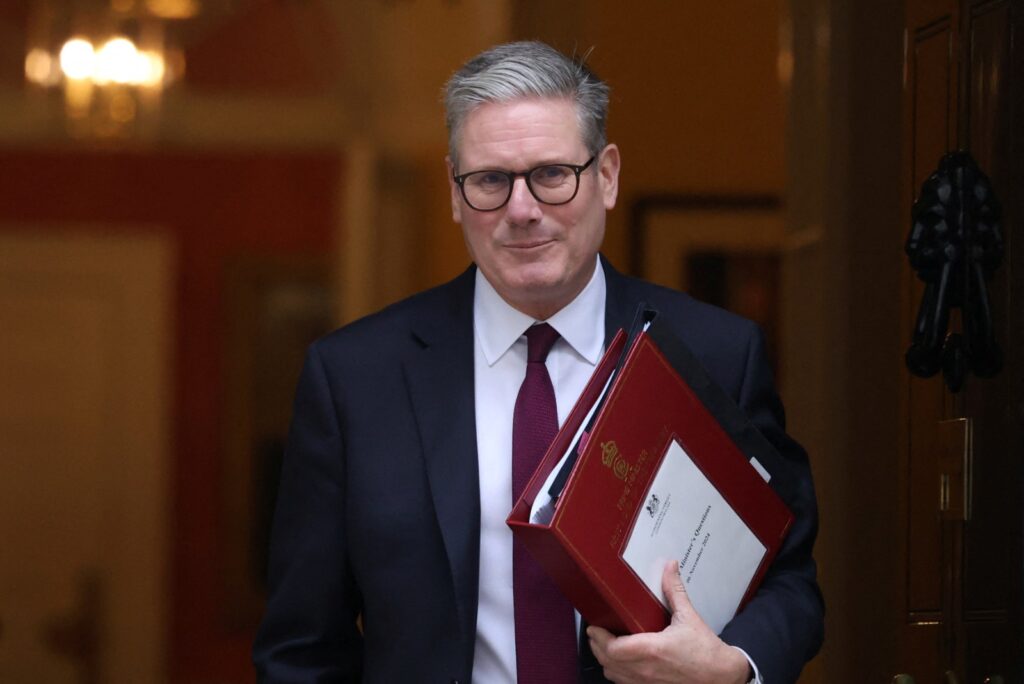
The disagreement emerged during Prime Minister’s Questions in Parliament, where Starmer was pressed on Britain’s response to escalating tensions in the Middle East. In response, he made clear that the United Kingdom would not shift its position under external pressure, stating “I am not going to change my mind. I am not going to yield. It is not in our national interest to join this war.” His remarks come amid a fragile ceasefire, the collapse of diplomatic negotiations, and increasing disruption to global shipping routes linked to Iran.
The situation reflects a period of divergence between London and Washington, as both governments pursue different approaches to the crisis.
Iran Crisis Deepens
The current tensions are rooted in the ongoing conflict involving Iran, where a ceasefire remains in place but conditions continue to be unstable. The United States has increased pressure through a combination of military deployments and economic measures, including restrictions affecting maritime activity around the Strait of Hormuz, a critical route for global oil shipments.
Efforts to reach a diplomatic resolution have so far failed. Talks held in Islamabad ended without agreement after prolonged negotiations. Officials involved in the process, including JD Vance, indicated that longstanding mistrust between Washington and Tehran remains unresolved. Central points of disagreement include Iran’s nuclear programme, demands over uranium enrichment, and the broader security framework in the region.
There are also increasing concerns about further escalation. Iranian officials have warned that disruptions could extend beyond the Strait of Hormuz to other regional waterways, including routes in the Persian Gulf and surrounding areas. Shipping activity has already been affected, with reports of reduced movement through key corridors due to security risks. These developments have contributed to volatility in global energy markets and raised concerns among major economies dependent on stable oil supplies.
The United Kingdom has maintained that stability in these maritime routes is essential, both for international trade and for energy security, and has emphasised the importance of preventing further escalation.
Trump Trade Warning
In response to Britain’s position on the conflict, Trump has indicated that the UK–US trade agreement could be subject to review. The deal, negotiated after Brexit to strengthen economic ties between the two countries, includes provisions designed to reduce tariffs and expand access across sectors such as manufacturing, agriculture and services.
Trump’s remarks suggest that economic cooperation may be linked to strategic alignment, reflecting a broader policy approach in which trade agreements are considered alongside foreign policy objectives. This has introduced a degree of uncertainty for businesses and investors, particularly as markets are already responding to instability in the Middle East.
The possibility of changes to the agreement has raised questions about the durability of bilateral economic arrangements during periods of geopolitical tension. For the United Kingdom, any revision could have implications for export competitiveness and investment flows, while also affecting broader economic confidence.
At the same time, the US position indicates a willingness to use economic tools as part of a wider strategy to influence allied responses to international crises.
Starmer Holds Line
Starmer has reiterated that the United Kingdom will not participate in military action and will maintain an independent position on the conflict. Addressing Parliament, he stated “We will not yield to pressure in decisions that concern our national interest,” reinforcing his earlier remarks and signalling continuity in government policy.
He emphasised that the UK’s approach is focused on stability and diplomacy, noting “Our priority is stability, diplomacy and the security of the British people,” as he outlined the government’s position. The Prime Minister indicated that escalation would not support long-term outcomes and that diplomatic engagement remains the preferred course.
While ruling out direct involvement in combat operations, the government has confirmed that British forces are contributing to regional security measures. These include mine-clearing operations and efforts to protect commercial shipping, particularly in areas affected by heightened tensions. This reflects a distinction between supporting stability and engaging in offensive military action.
Starmer has also addressed the economic dimension of the dispute, stating “Our economic interests are important, but they do not dictate our foreign policy,” indicating that trade considerations will not alter the government’s stance on national security.
Alliance Under Strain
The disagreement has highlighted differences between London and Washington in their approach to the Iran crisis. The United States has pursued a more assertive strategy, combining military pressure with economic measures, while the United Kingdom has focused on diplomatic engagement and the maintenance of regional stability.
British officials have drawn a distinction between supporting maritime security and endorsing broader military initiatives. The UK has indicated that it is not backing the US blockade, while continuing to work to ensure that key shipping routes remain open and secure.
Despite the tensions, Downing Street has maintained that relations with Washington remain strong. Officials have emphasised the importance of ongoing cooperation across defence, intelligence and economic areas, suggesting that both sides are seeking to prevent the dispute from affecting the wider relationship.
At the international level, responses to the crisis have varied. Countries such as China and Russia have called for diplomatic solutions and criticised the use of coercive measures, reflecting a broader divergence in global approaches to the situation.
Economic and Global Stakes
The impact of the Iran conflict is being felt across global markets, particularly in the energy sector. Disruptions to shipping routes have contributed to fluctuations in oil prices and increased uncertainty for businesses reliant on stable supply chains.
Reduced movement through critical maritime corridors has affected trade flows, while heightened security risks have increased costs for shipping and insurance. These developments have implications for inflation and economic growth, particularly for countries heavily dependent on imported energy.
The potential revision of the UK–US trade agreement adds further complexity. Changes to tariff structures or market access could affect key sectors of the British economy, while also influencing investor confidence at a time of broader global uncertainty.
Governments are continuing diplomatic efforts to address both the conflict and its wider consequences. Discussions remain ongoing regarding maritime security, nuclear negotiations and economic cooperation, with the outcome expected to shape international relations in the coming months.


