

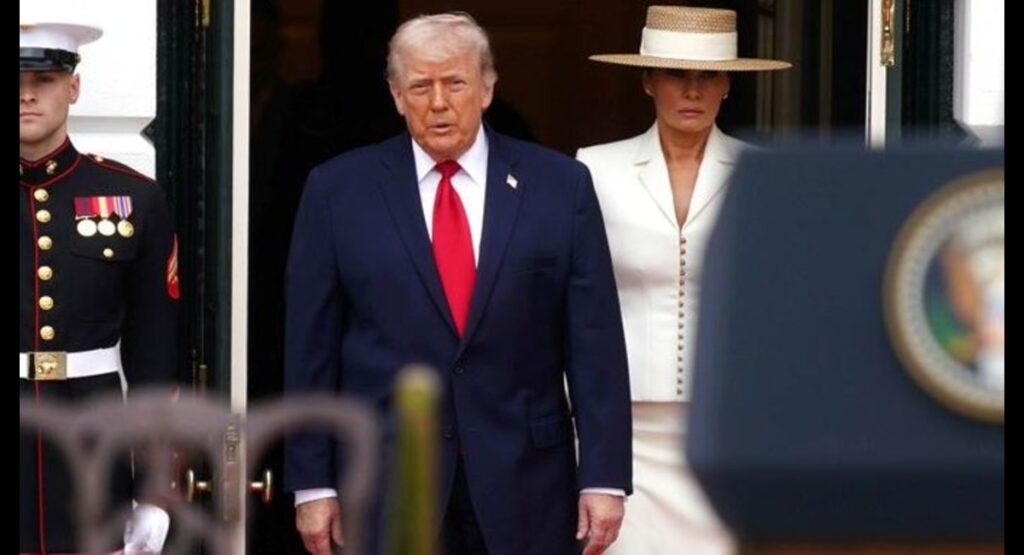
The United States has confirmed it will continue its naval blockade on Iran despite a renewed proposal from Tehran to ease tensions in the Strait of Hormuz, extending a crisis that has now entered its third month and is increasingly impacting global energy markets. The decision, led by Donald Trump, reflects Washington’s strategy of sustained economic and maritime pressure aimed at forcing Iran into a broader agreement on its nuclear programme.
The blockade, imposed in April following weeks of escalating conflict, has significantly reduced shipping through one of the world’s most critical oil routes. At the same time, diplomatic efforts have repeatedly stalled, with ceasefire attempts failing to produce lasting results. With military forces on alert and economic consequences spreading beyond the region, the standoff has become one of the most serious geopolitical confrontations in recent months.
US holds firm
The blockade has become central to Washington’s approach, targeting Iran’s oil exports and limiting its access to international shipping routes. US officials said the measures are designed to remain in place until Iran agrees to a comprehensive deal covering nuclear activity, regional security, and maritime conduct.
President Trump has defended the strategy as a calculated alternative to war. “The blockade is working better than military action,” he said, signalling confidence that economic pressure can achieve strategic objectives without immediate large scale conflict. He also expressed frustration at the pace of negotiations, stating, “They can’t get their act together and sign a deal.”
Officials indicated that the administration sees sustained pressure as the most effective way to force long term concessions. However, the policy is also drawing increasing scrutiny at home, as lawmakers and industry leaders monitor the broader economic impact of prolonged tensions and rising energy prices.
Iran offer rejected
Iran’s latest proposal outlined a phased plan aimed at reducing tensions. Iranian authorities suggested first ending hostilities and reopening shipping routes through the Strait of Hormuz, followed by the easing of economic restrictions, with nuclear negotiations to take place at a later stage.
The United States rejected the proposal, insisting that Iran must first commit to binding limits on its nuclear programme, including restrictions on uranium enrichment and expanded international oversight.
The disagreement reflects a fundamental divide over sequencing. Iran is seeking immediate economic relief, while the United States is demanding long term commitments before easing pressure.
The situation has been further complicated by internal political developments linked to Ali Khamenei. While leadership structures remain in transition, authority is increasingly concentrated within Iran’s security establishment, particularly the Islamic Revolutionary Guard Corps. Analysts say this evolving and uncertain power structure is likely to harden Iran’s negotiating stance, making compromise more difficult.
Shipping disruption grows
The Strait of Hormuz remains at the centre of the crisis due to its importance to global energy supply. Under normal conditions, around one fifth of the world’s oil passes through the waterway, with between 125 and 140 vessels transiting daily.
Since the escalation, maritime traffic has dropped sharply to only a handful of ships per day, highlighting the scale of disruption. The decline has had immediate consequences for global markets, with oil prices showing increased volatility and shipping companies facing higher insurance costs and operational risks.
Energy analysts warn that prolonged disruption could lead to a sustained supply shock, affecting economies far beyond the Middle East. Several shipping operators have reduced activity in the region, while others have rerouted vessels to avoid the strait entirely.
Iran has also sought to use its geographic position as leverage by proposing transit fees for vessels using the waterway. US officials warned that any such payments could expose companies to sanctions, extending the confrontation into the financial domain and increasing pressure on global trade systems.
US readies strikes
The United States is also preparing for the possibility of military escalation. The United States Central Command has developed rapid strike options that could be implemented at short notice if the situation worsens, US officials said.
These plans are intended to protect commercial shipping routes and respond to any direct threats against US or allied forces. Officials stressed that the preparations are precautionary, but their readiness reflects growing concern that the situation could deteriorate quickly.
Iranian authorities have warned that they are prepared to respond if the blockade continues. With military forces from both sides operating in close proximity, the risk of miscalculation remains high, particularly in the absence of sustained diplomatic engagement.
Deadlock continues
Diplomatic efforts have so far failed to produce progress, with both sides maintaining firm positions on key issues. The United States continues to demand strict limits on Iran’s nuclear programme, while Iran insists on its right to civilian nuclear development and calls for the removal of economic pressure.
The blockade has inflicted significant financial losses on Iran, with estimates suggesting the country is losing between $400 million and $500 million per day in restricted oil revenue. Despite this, there has been no indication of a shift in Tehran’s position, highlighting the limits of economic pressure alone in resolving the crisis.
The conflict itself has already imposed broader costs, with months of instability affecting global energy markets and raising concerns about long term economic impact. Analysts warn that a prolonged standoff could deepen volatility and disrupt supply chains on a wider scale.
The crisis is also creating pressure within the United States, as rising oil prices increase fuel costs for consumers and pose risks to economic stability. President Trump has engaged with energy industry leaders as the administration monitors the domestic impact. “We are watching energy prices very closely,” he said.
With the Hormuz blockade still in place and negotiations stalled, the situation remains highly fragile. The continued disruption of a vital global trade route, combined with sustained military readiness and mounting economic costs, underscores the risk of further escalation in a conflict with significant global consequences.


